Water Damage Restoration Tulsa, OK
The restoration team extracts standing water, maps moisture and sets drying equipment in Tulsa homes and businesses, from Downtown to South Tulsa, then logs readings daily until the structure reads dry.
☎ Call (888) 619-9509Call for Tulsa water removal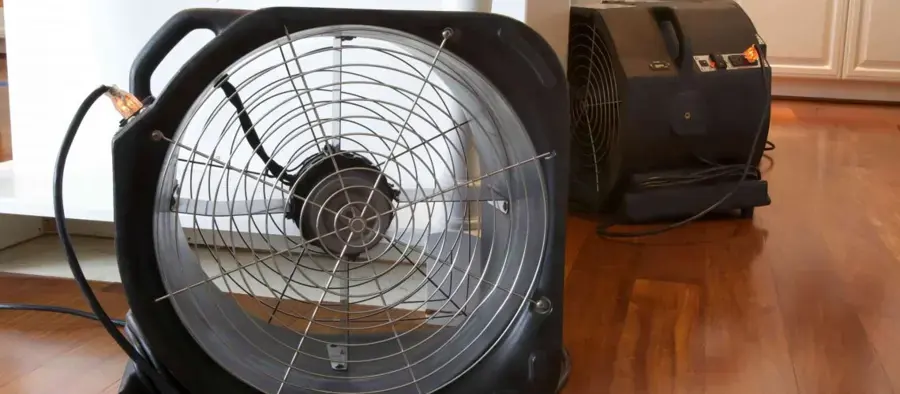
Water damage jobs the Tulsa crews handle
From a leaking supply hose to a flooded first floor, the restoration team handles every kind of water and sewage damage across Tulsa.
Emergency response
Water out, drying started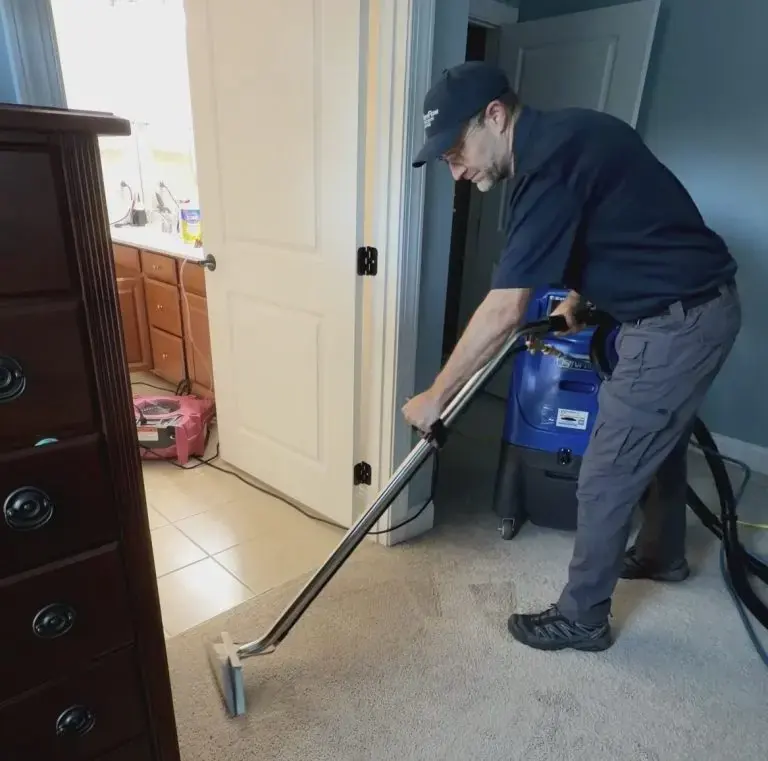
Water Extraction and Removal
Truck-mount extractors pull standing water from carpet, pad and hard floors before it soaks into baseboards and lower walls.
Open the service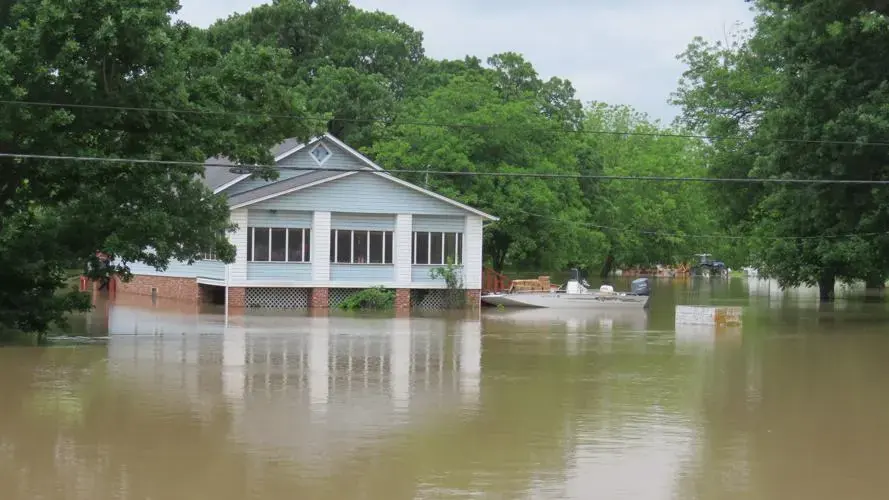
Flood Damage Cleanup
Creek overflow, flash flooding and backed-up storm sewers leave contaminated water, so the crew mucks out and disinfects.
Open the service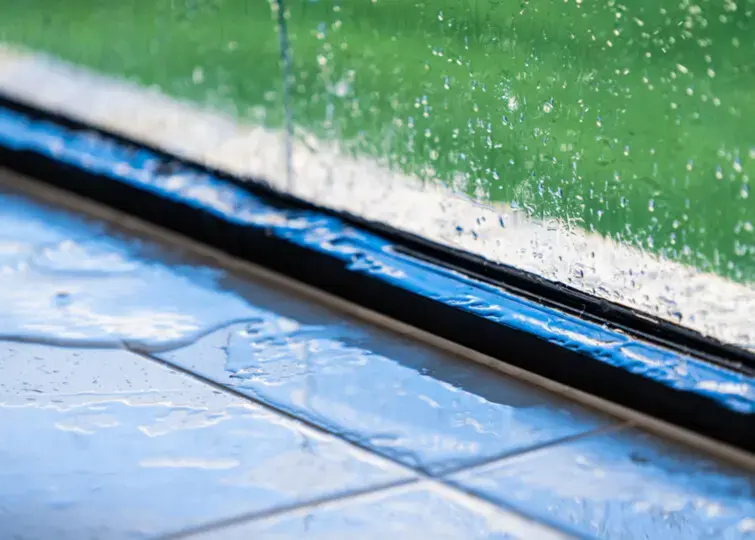
Storm Water Damage
Hail, wind and heavy rain push water through roofs, windows and siding, and the drying team dries whatever the storm soaked.
Open the serviceTulsa homes
Houses, condos and apartments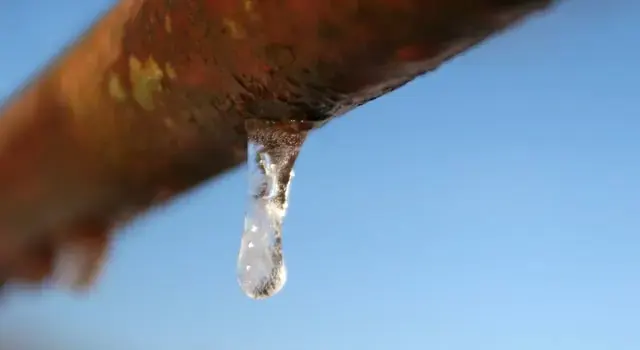
Frozen Pipe Burst Cleanup
When ice splits a pipe in an attic or exterior wall, the thaw floods ceilings and floors, and the crew dries every wet layer.
Open the service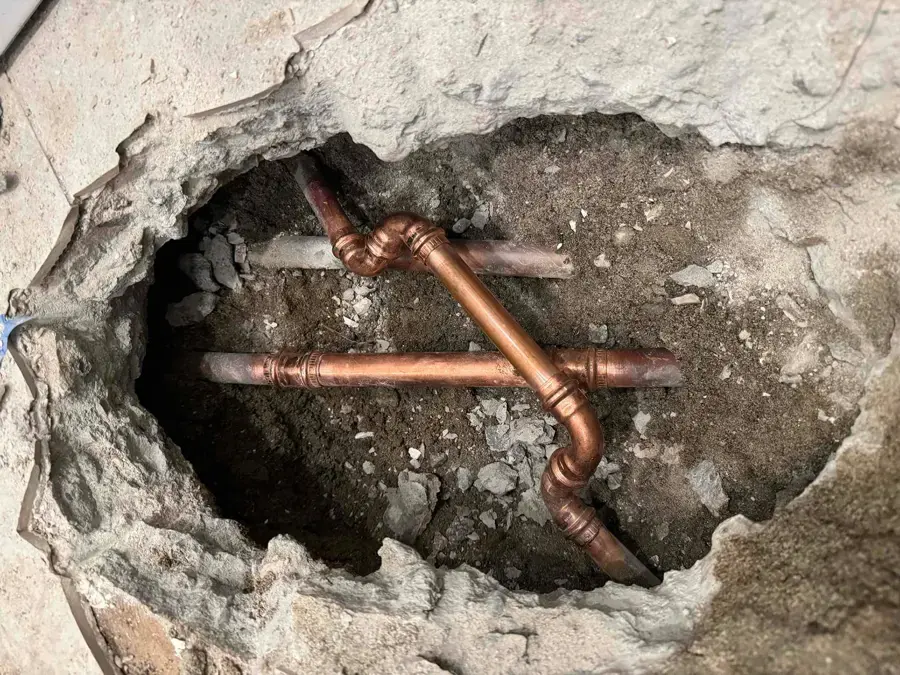
Slab Leak Water Damage
A leaking pipe under a concrete slab soaks flooring from below, so the team traces the wet zone and dries the slab.
Open the service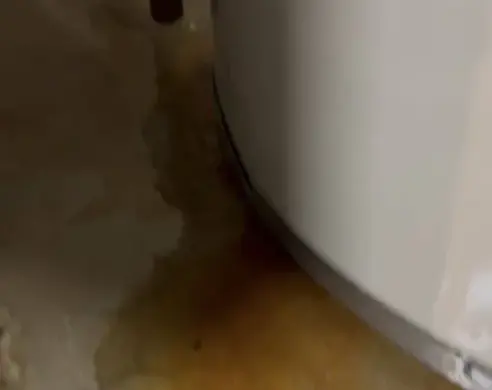
Water Heater Leak Cleanup
A failed tank or loose fitting can flood a garage, closet or attic, and the crew dries the framing and wet material around it.
Open the service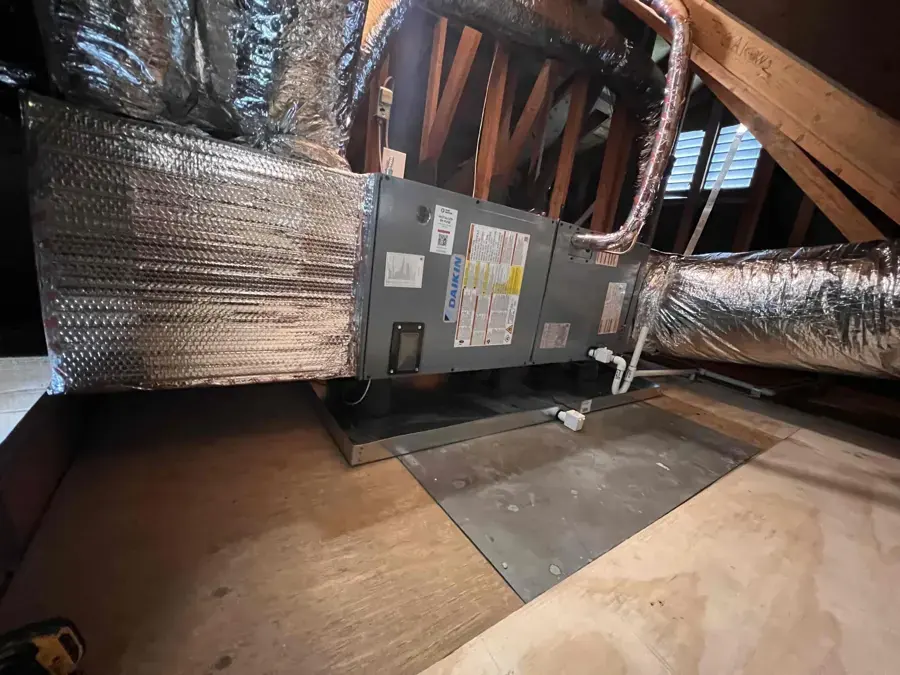
Attic AC and Condensate Leaks
A clogged condensate drain or overflowing pan drips into insulation and ceilings, and the team dries the attic and rooms below.
Open the service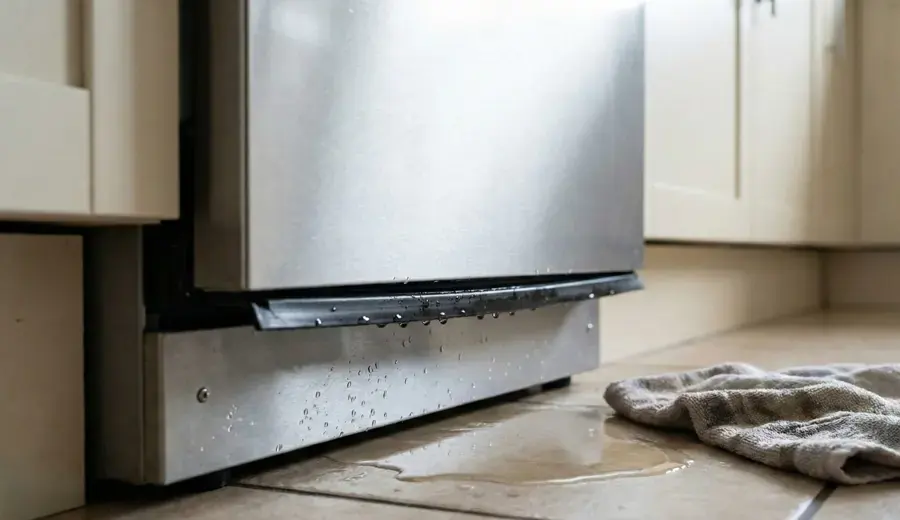
Appliance and Supply Line Leaks
Dishwashers, washing machines, ice makers and supply hoses leak under cabinets and floors, where injection drying reaches hidden moisture.
Open the service
Burst Pipe Water Damage
A burst supply pipe can soak a wall, floor and ceiling at once, so the crew extracts water and opens the wet cavities.
Open the serviceFlood, storm and sewage
Dried and documented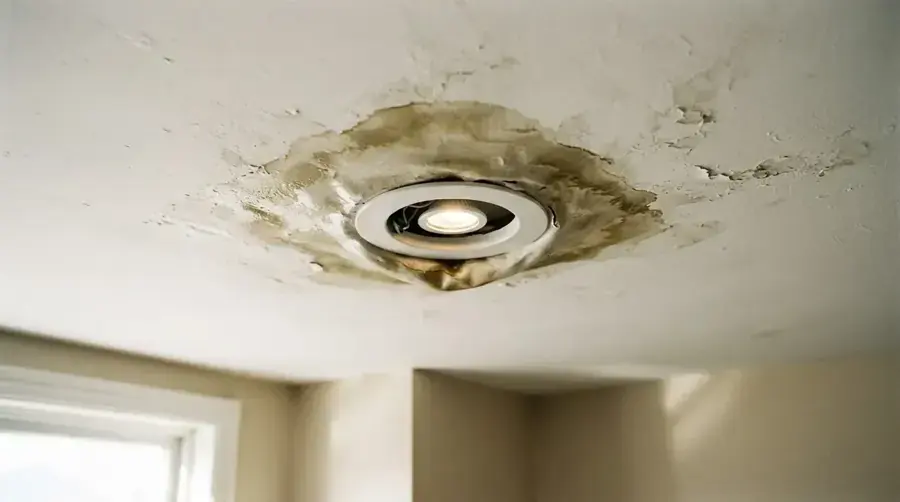
Ceiling Leak Water Damage
Stains, sagging drywall and dripping fixtures point to a leak above, and the team removes wet material and dries the joist bays.
Open the service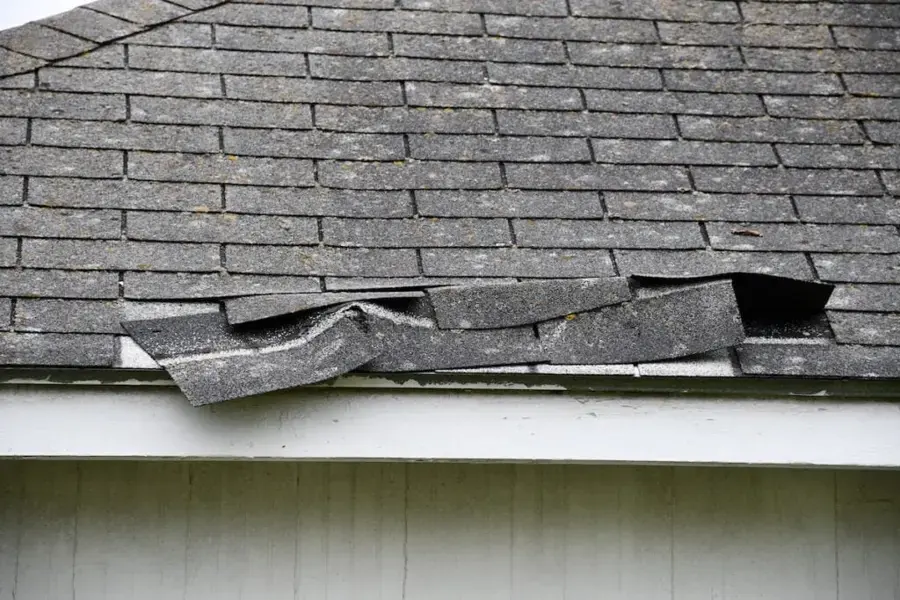
Roof Leak Water Damage
Hail and wind damage lets rain into attics and ceilings, and the restoration team bags wet insulation and dries framing below.
Open the service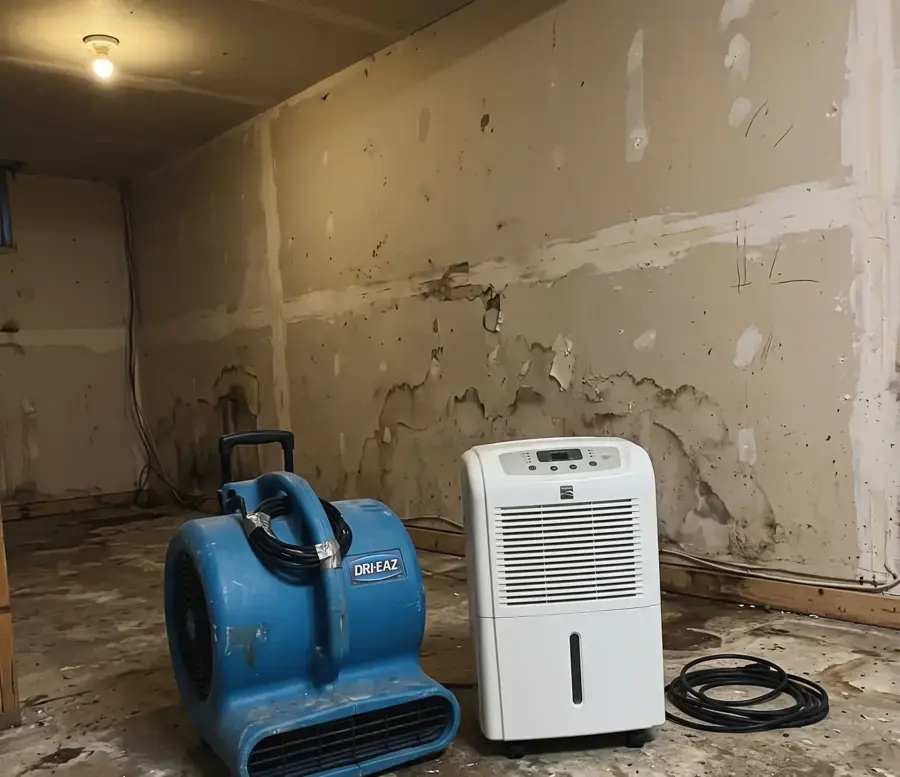
Structural Drying
Air movers, LGR dehumidifiers and desiccant units dry framing, subfloors and slabs, and daily readings show when the structure is dry.
Open the service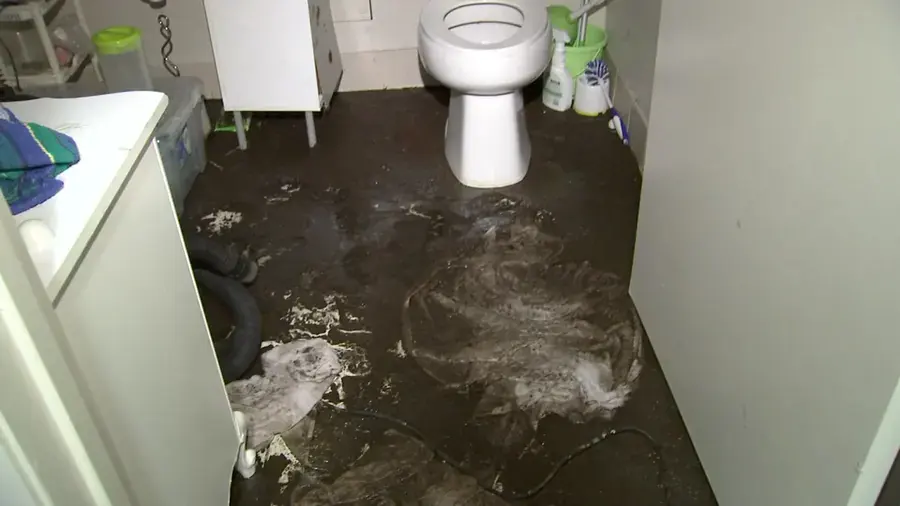
Sewage Backup Cleanup
Backed-up toilets, tubs and floor drains bring contaminated water indoors, so crews in protective gear contain, remove and sanitize.
Open the service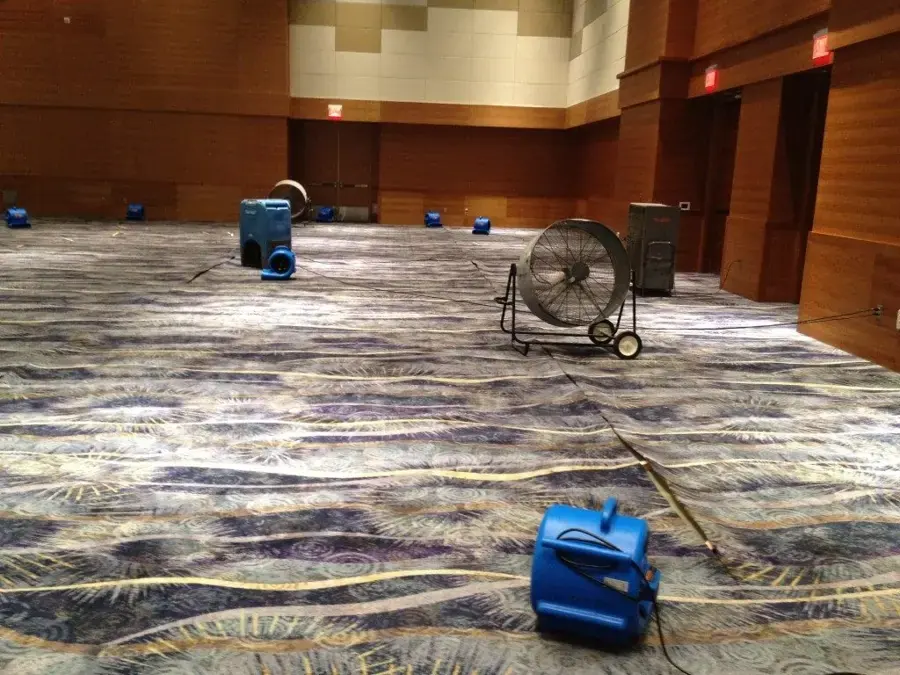
Commercial Water Damage
Offices, shops, schools and apartment buildings need phased drying, containment between tenants and records ready for property managers.
Open the serviceDrying equipment staged for Tulsa jobs
- Truck-mount extractors pull standing water from carpet, pad and hard floors.
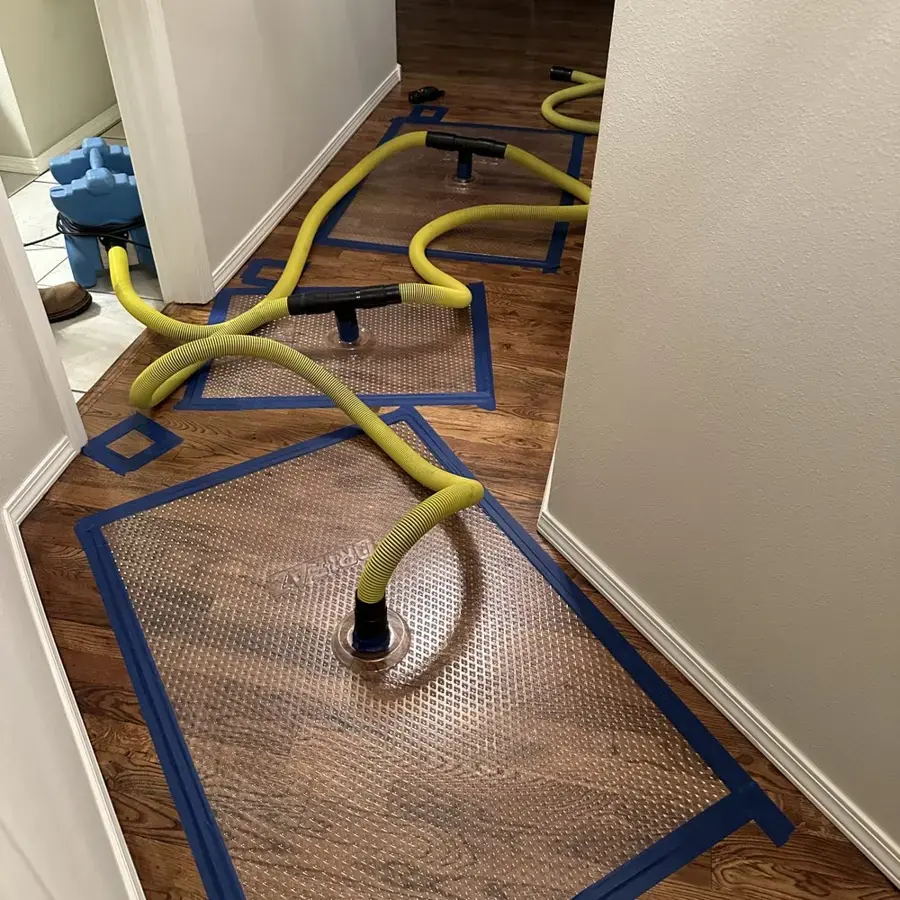
- Axial air movers and drying mats push dry air across floors, walls and cabinet bases.
- LGR and desiccant dehumidifiers pull moisture from the air so wood and drywall release water.
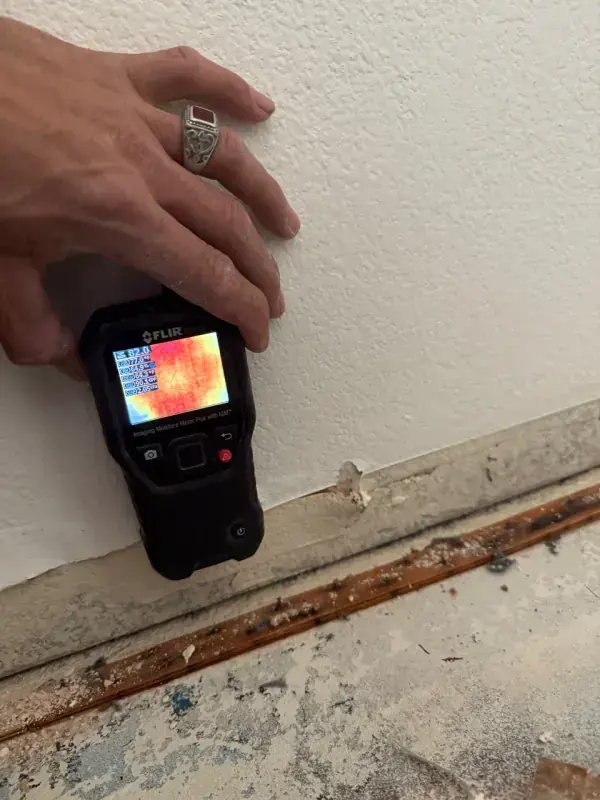
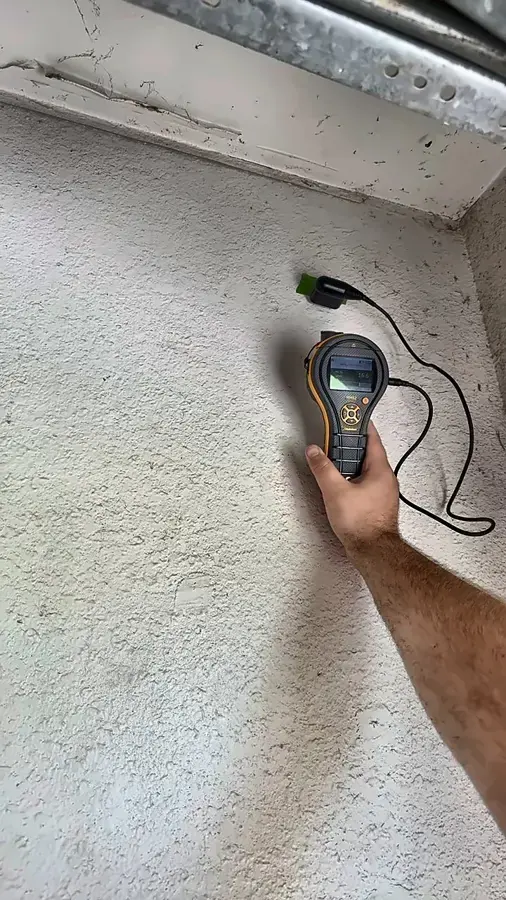
- Thermal cameras and pinless meters find hidden wet spots and prove when materials are dry.
Every extra wet day adds repair work
Early extraction keeps damage small, and the drying team works in three stages.
Water is extracted, the source is isolated and moisture readings map what is wet.
Drying equipment runs and soaked pad or drywall comes out before mold can take hold.
Readings continue daily, equipment shifts as areas dry and the structure is verified.
Five steps from soaked floors to a dry structure
Dispatch
The response team notes the water source and affected rooms, then sends a crew with extraction and drying equipment.
Inspect and map
Thermal cameras and moisture meters trace water through floors, walls and ceilings, and readings become a drying plan.
Extract and contain
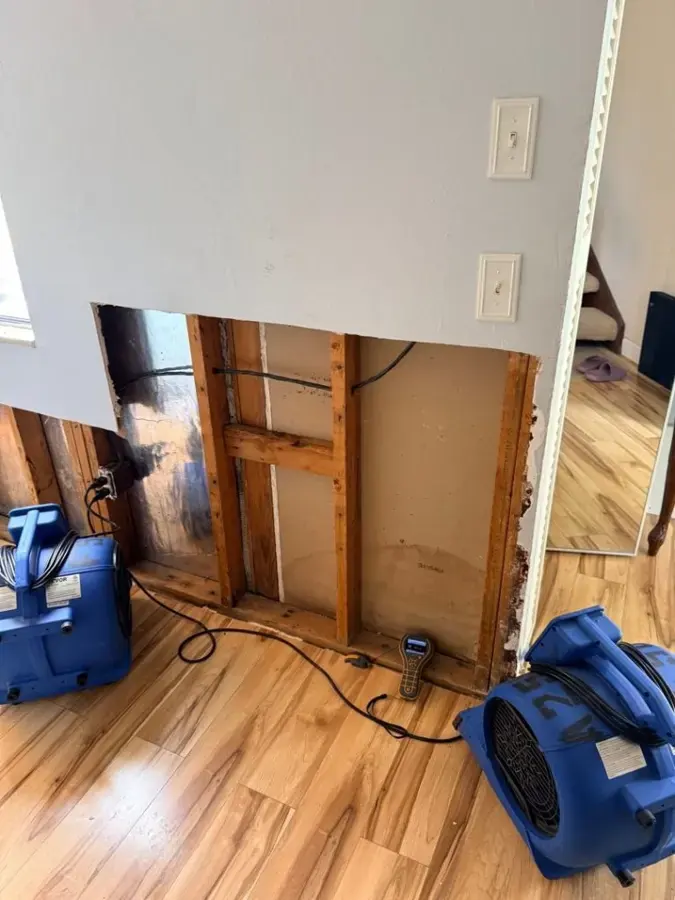
Extractors remove standing water, wet pad and soaked drywall come out, and containment keeps damp air from reaching dry rooms.
Dry and monitor
Air movers and dehumidifiers run around the clock while the crew returns daily to take readings and move equipment.
Verify and document
Final readings confirm every material is dry, equipment leaves, and the photos and daily logs go to the owner.
Water still spreading through a Tulsa home? Call now
Have the water source, the affected rooms and a few photos ready so the restoration team can plan equipment.
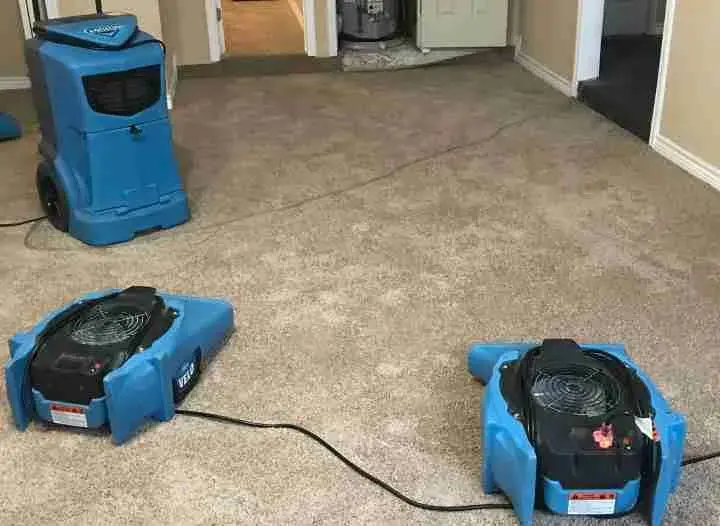
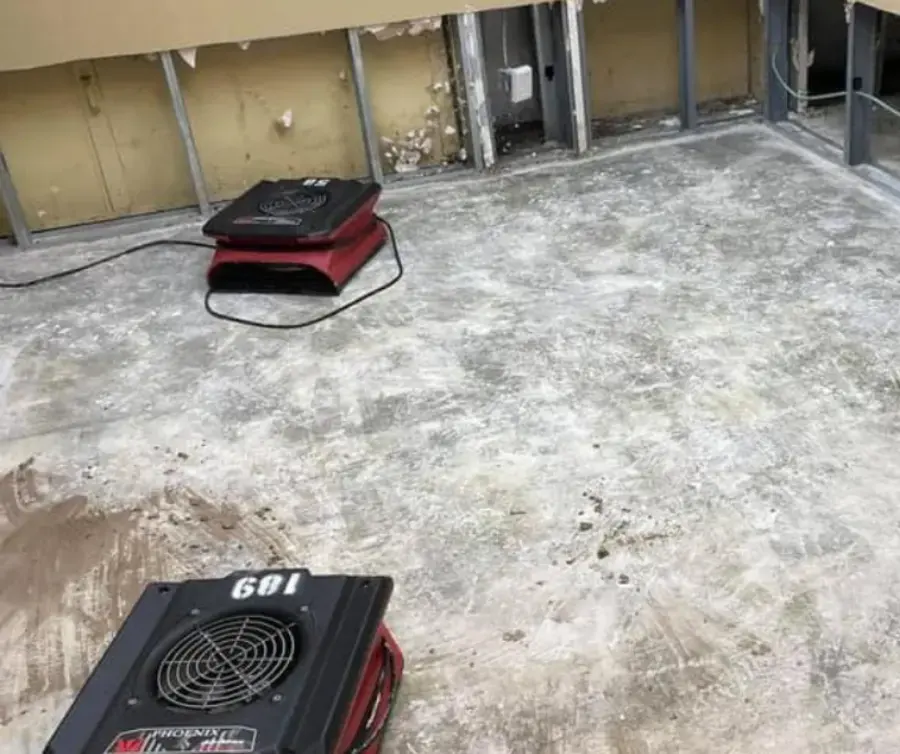
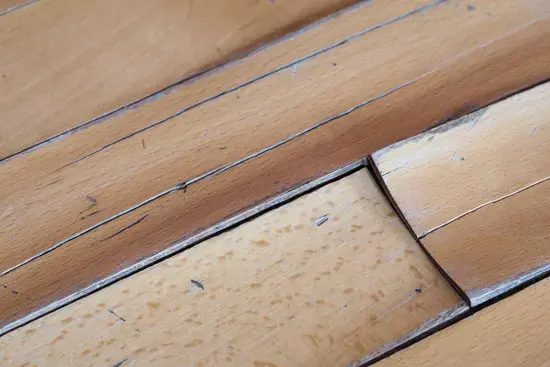
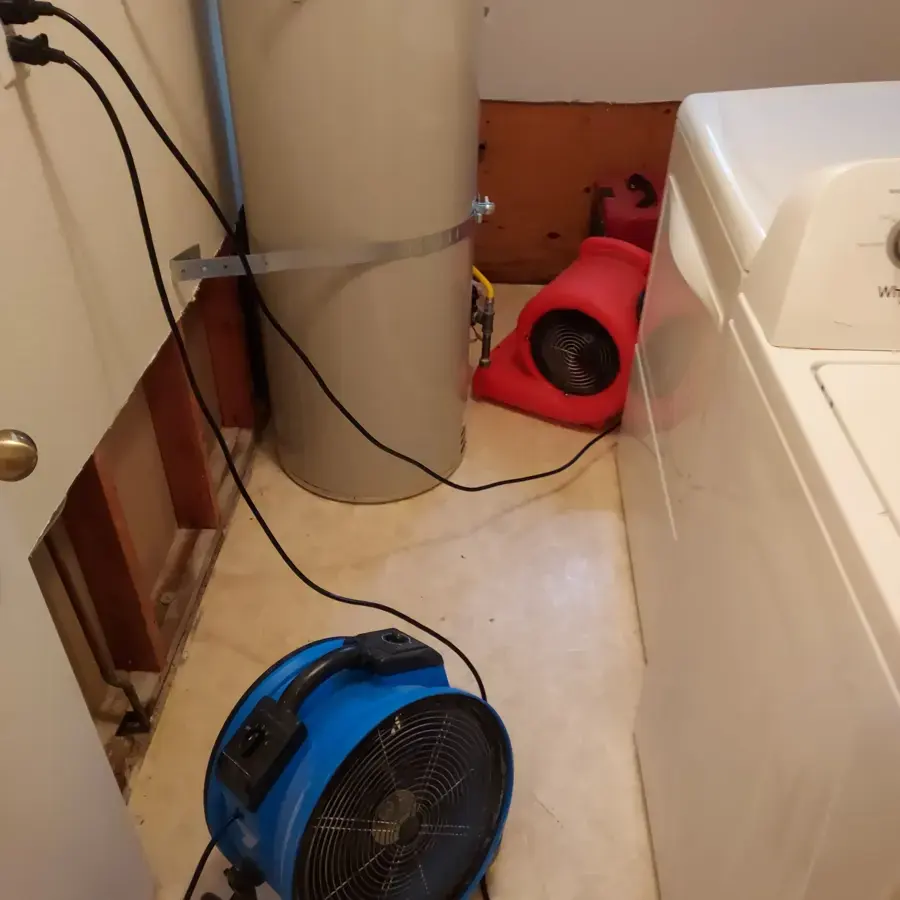
Drying setups the Tulsa crews use after water damage
Air movers, dehumidifiers, thermal cameras and moisture meters at work in the stages of a typical dry-out.
What the Tulsa response team brings
Day and night dispatch
Dispatch stays open overnight, on weekends and through storms so Tulsa leaks and floods can be reported anytime.
Measured, not guessed
Moisture meters and thermal cameras drive each decision, so materials are dried or removed based on readings, not guesses.
Records for adjusters
Photos, moisture maps and daily drying logs are saved for each job and can go to an adjuster or owner.
Tulsa water know-how
Crews plan each dry-out around the creeks, storm sewers, hail season and older housing found across Tulsa.
Steps to take right after water appears
- Stop the source if it is safe: close the shutoff valve for a supply leak, or stop using drains for sewage.
- Cut power to wet rooms at the breaker, but only when the panel and floor are dry.
- Move small items and lift furniture off wet carpet, and photograph the damage before anything is thrown out.
- Do not wait for it to dry alone, because wet pad and drywall hold water and the damage spreads.
Water damage crews working across all of Tulsa
Jobs run across Tulsa, from Downtown and Midtown to South, East, West and North Tulsa, including the neighborhoods listed below.
Downtown and nearby
Midtown
Across the city
ZIP codes covered
Tulsa has many ZIP codes, and the restoration team works across all of them; these three are a sample. See every town the crews serve ›
What water damage cleanup costs in Tulsa, OK
Cost follows the type of water, how many rooms are wet and how long the structure needs to dry, so one room and a whole floor land far apart.
Small
- Standing water pulled from one room
- Air movers set and read daily
- A short drying run
Mid-size
- Several rooms or a wet ceiling
- Wet pad and drywall removed
- Dehumidifiers and daily logs
Large
- A whole floor or a sewage backup
- Flooring and contents removed
- Structural drying throughout
Claims and records in Tulsa
Adjusters look for proof of when the water arrived, what it touched and how it was dried, so the restoration team photographs each room and records moisture readings before work begins.
Each visit adds new readings and equipment counts to the drying log, and the finished file lists wet materials, removed materials and final dry readings, ready to pass along with a claim.
Whether a policy pays is for the carrier to decide. For a rough budget first, the water damage cost calculator turns room count and water type into a range.
Three kinds of water, three kinds of cleanup
Water is sorted by contamination level, and the category decides what can be dried and what must go.
Clean water leaks
Supply pipes, tanks and ice makers leak clean water, so early extraction and drying can often save carpet, pad and framing in Tulsa homes.
Water extraction ›Gray water spills
Washing machines, dishwashers and sink overflows carry soap and bacteria, so porous materials need faster removal and antimicrobial treatment.
Appliance leak cleanup ›Black water backups
Sewage and floodwater carry pathogens, so porous materials come out, then the area is cleaned, sanitized and dried under containment.
Sewage backup cleanup ›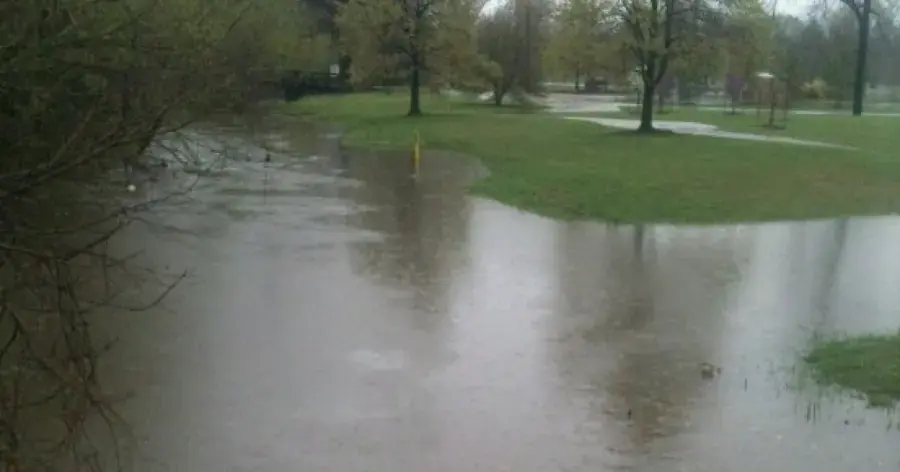
What brings water into Tulsa buildings
Tulsa averages just under 41 inches of precipitation a year, and May is the wettest month at 5.9 inches, so creeks, storm sewers, roofs and pipes all become routes for water into a Tulsa building.
Creek and ditch flooding
The city plan names recurring flood problem areas along Dirty Butter Creek, Elm Creek, Red Fork Creek and Little Joe Creek, among others.
Storm sewer backups
Urban flooding makes streets flood and storm sewers back up, and flooding often occurs outside mapped flood zones.
Hail and roof leaks
Severe hail over 1 inch is expected four to five times a year, and damaged roofs let rain into attics and ceilings.
Soil that shifts
Expansive soils on higher ground, including large areas of central and east Tulsa, can crack foundations and break water and sewer pipes.
Ice storms and deep cold
Ice storms are a greater threat than blizzards in Tulsa, and frozen pipes that break can flood building interiors.
Older housing
About 64.9% of housing units, 125,165 homes, were built before 1980, so older drains, water heaters and ceilings are part of the picture.
Tulsa water damage questions, answered
What comes first after water damage in Tulsa?
Stop the source if it is safe, cut power to wet rooms only when the panel is dry, and photograph the damage before moving belongings. Then the restoration team starts extraction and moisture mapping.
How long does drying take?
It depends on the materials and the water category, and a small leak and a flooded floor run on different schedules. Daily readings, not the calendar, decide when the drying equipment leaves the property.
Can hail or storms cause water damage in Tulsa?
Yes. Hail cracks shingles and breaks window seals, and later rain drives in through the damage. Water then collects in attics, ceilings and wall cavities, where it can sit unseen for days before a stain appears.
What should be done about a sewer backup in Tulsa?
The City of Tulsa says to stop household water use and call its 24-hour emergency sewer response team. A plumber can show which side the problem is on, and the sewage backup cleanup crew handles the contaminated areas.
Can a frozen pipe flood a Tulsa house?
Yes. When ice splits a pipe and the thaw releases the water, an attic or wall can empty into the rooms below. Winter storms run from November to March, and the plan ranks ice storms above blizzards as a threat.
Which parts of Tulsa do the crews cover?
Dispatch covers the whole city, from Downtown, the Blue Dome and Midtown to South Tulsa, East Tulsa, West Tulsa and North Tulsa, and the neighborhoods in between. The full service area also includes nearby towns.
How much does water damage cleanup cost in Tulsa?
A small job runs $500 to $1,500, a mid-size job $2,000 to $6,000, and a large job $7,500 and up. Room count, water type and drying time move a job between those tiers.
What records does the drying team keep for a claim?
Dated photos, a starting moisture map, daily readings and equipment counts go into one file, along with notes on what was wet, what came out and when the structure tested dry.
Is flood cleanup different from a pipe leak cleanup?
Yes. Floodwater and sewage fall in the Category 3 group, so porous materials come out and surfaces are disinfected, while a clean supply leak can often be extracted and dried in place.
Do apartments and houses dry out differently?
Often. Of 192,797 housing units in Tulsa, 119,102 are single-family detached homes and 52,075 sit in buildings of five or more units, so shared walls and floors change how containment and drying work.
Get the water out and the drying started
Across Tulsa, the drying team handles the extraction, the equipment and the daily records so the structure ends up dry and documented.
(888) 619-9509Call for Tulsa drying help