Water Damage Restoration Claremore, OK
Burst pipes, storm water, backed-up drains and roof leaks all reach Claremore homes and businesses, and the restoration team extracts the water, opens what stayed wet and dries the structure with readings logged every day.
☎ Call (888) 619-9509Call about Claremore water damage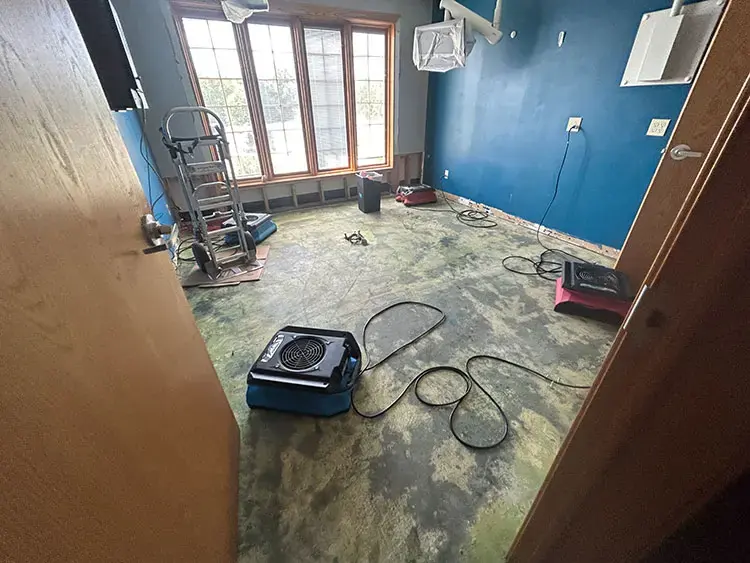
Fourteen kinds of local water trouble
Clean water, gray water and sewage each need a different method, and the work runs from a split supply hose to a roof opened by wind.
Emergency response
Extraction before anything else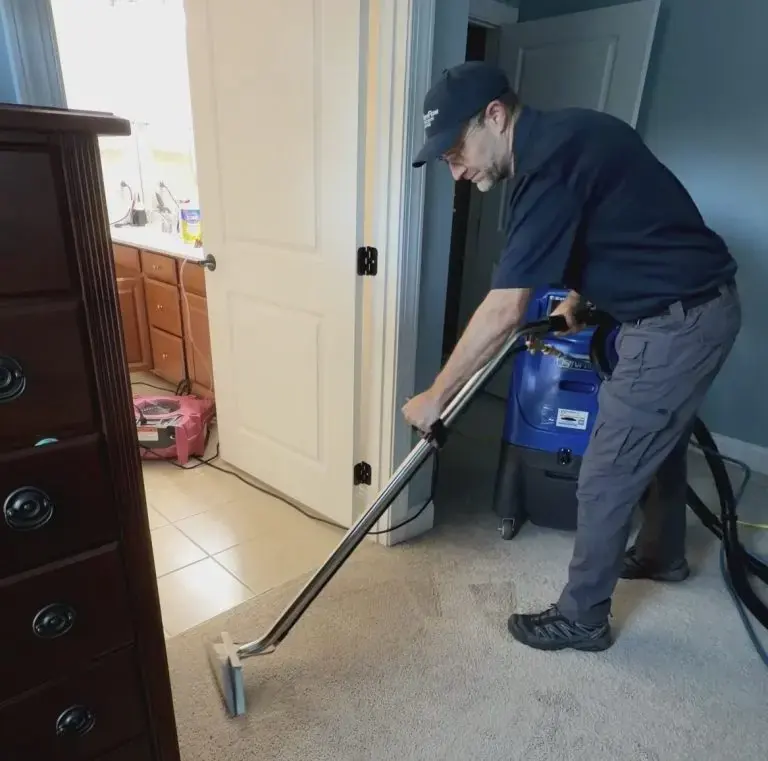
Water Extraction and Removal
Truck-mounted pumps and weighted wands pull standing water from carpet, pad and hard floors before drying equipment goes in.
Open the service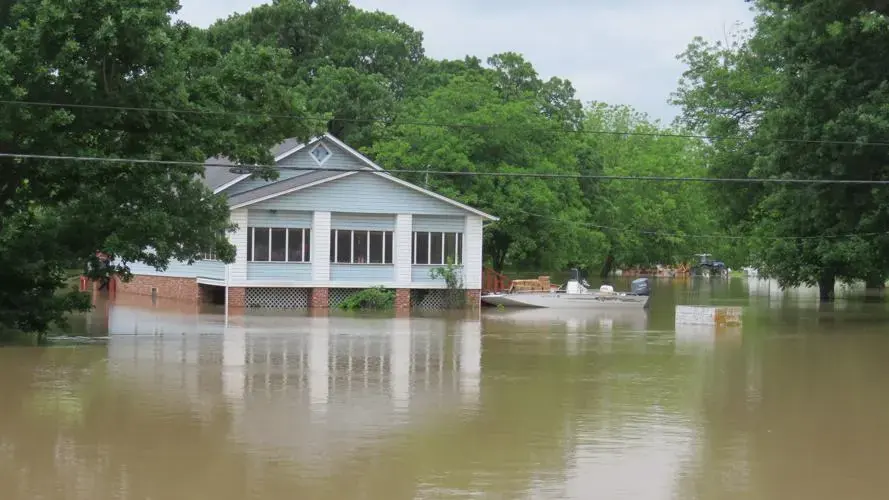
Flood Damage Cleanup
Creek overflow and flash flooding leave silt and gray water, so the work starts with muck removal and flood cuts.
Open the service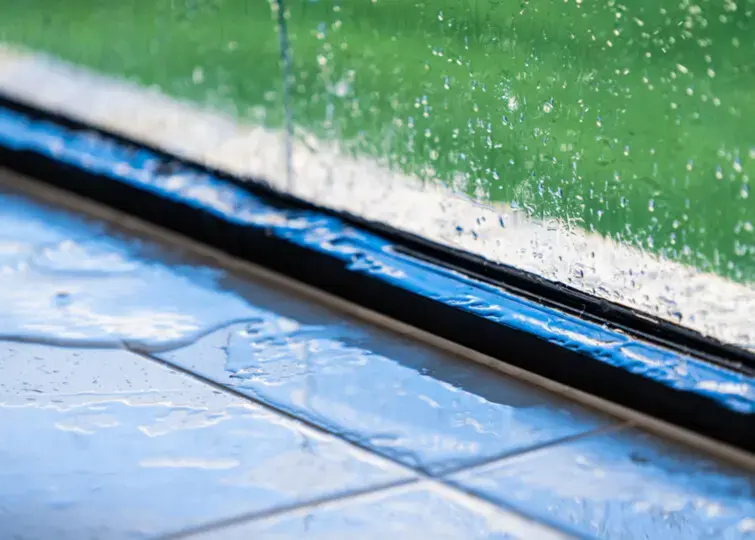
Storm Water Damage
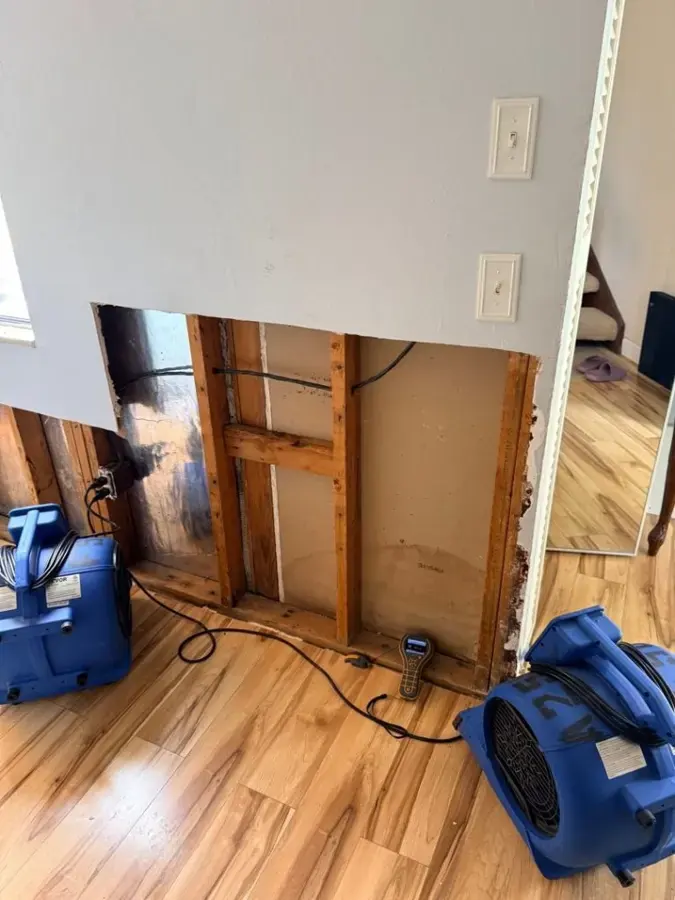
Wind-driven rain through broken windows or torn roofing gets extracted, then wet walls and ceilings are opened and dried.
Open the serviceLocal homes
Houses, duplexes and apartments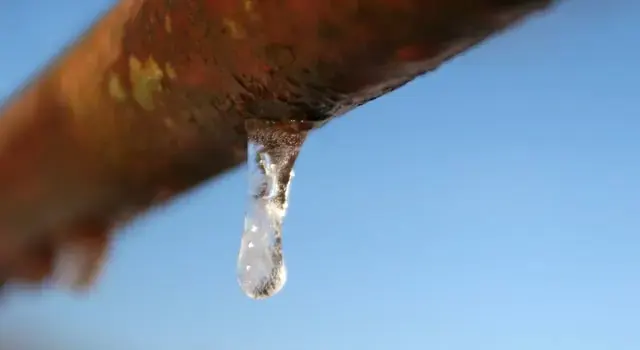
Frozen Pipe Burst Cleanup
A split pipe in a cold wall, attic or garage can soak several rooms before anyone notices, so the cavity gets opened and dried.
Open the service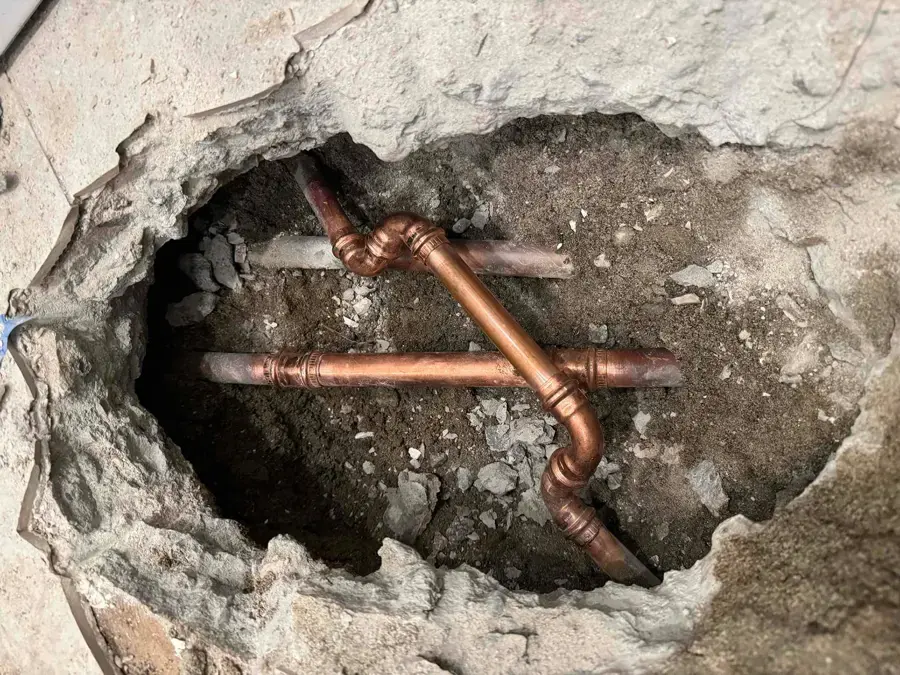
Slab Leak Water Damage
A leaking supply pipe under a concrete floor soaks flooring from below, so moisture mapping and desiccant drying find and dry the whole area.
Open the service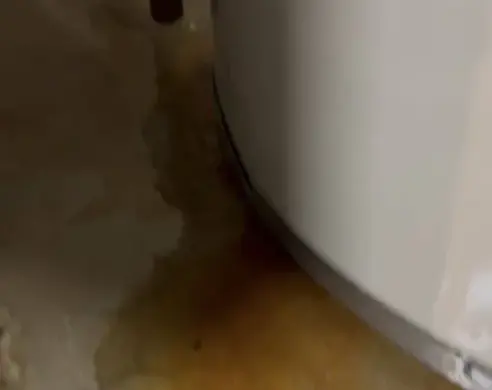
Water Heater Leak Cleanup
A failed tank or fitting floods garages, closets and nearby rooms, so extraction comes first and the wall bottoms get dried next.
Open the service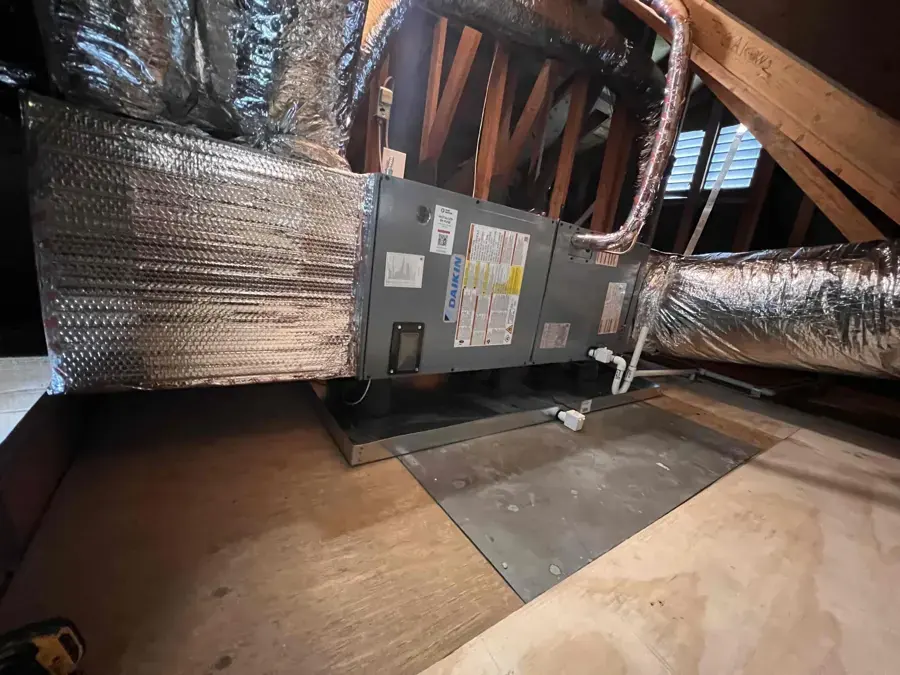
Attic AC and Condensate Leaks
A clogged condensate drain or cracked pan drips into insulation and ceilings, and soaked material comes out before drying starts.
Open the service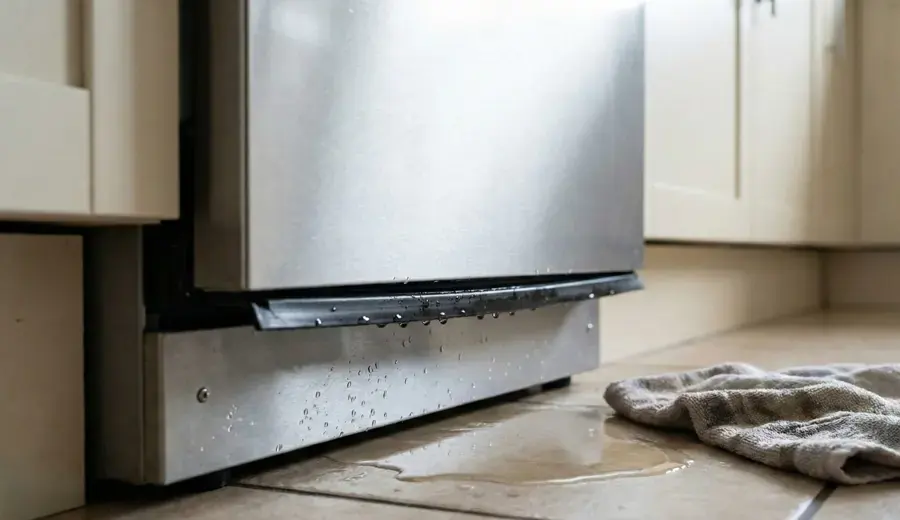
Appliance and Supply Line Leaks
Dishwashers, washers, ice makers and braided hoses leak into cabinets and floors, and injection drying reaches the wet spots.
Open the service
Burst Pipe Water Damage
A burst supply pipe can run for hours with no one home; the crew extracts the water and dries the opened walls.
Open the serviceFlood and storm jobs
Dried and documented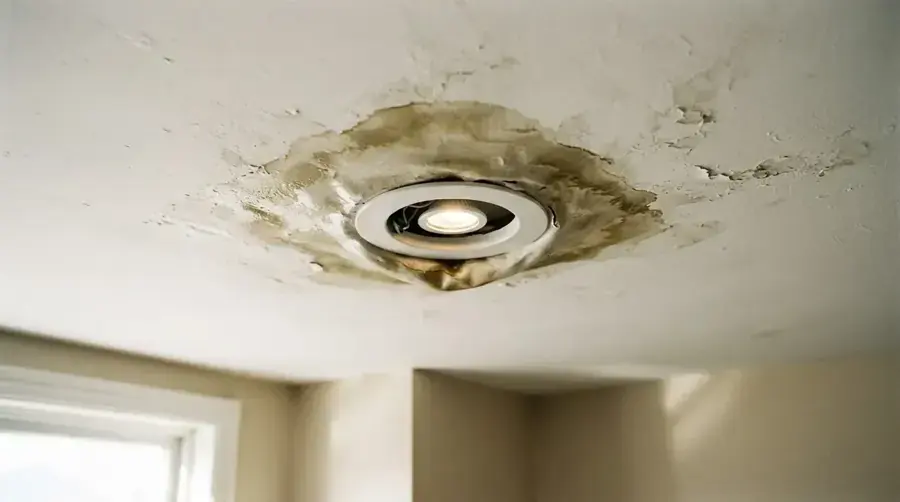
Ceiling Leak Water Damage
Stains, sagging drywall and drips from above point to the attic or an upstairs unit; wet ceiling sections are cut out and dried.
Open the service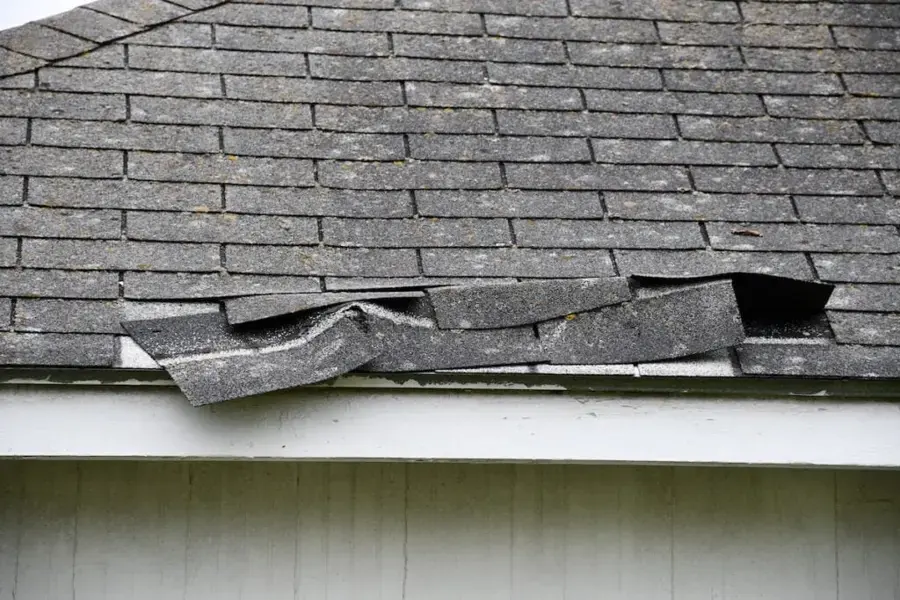
Roof Leak Water Damage
Rain past damaged shingles soaks attic insulation and the ceilings below, so wet insulation is bagged and the rooms underneath get dried.
Open the service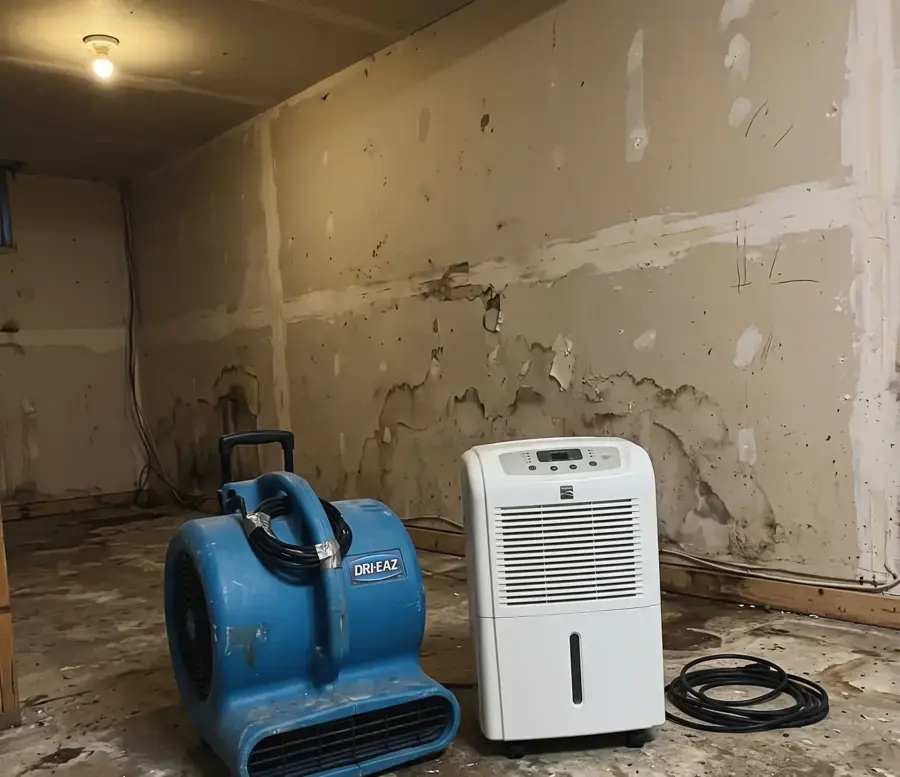
Structural Drying
Air movers, dehumidifiers and daily psychrometric readings dry framing, subfloors and slabs until moisture meters match the dry standard.
Open the service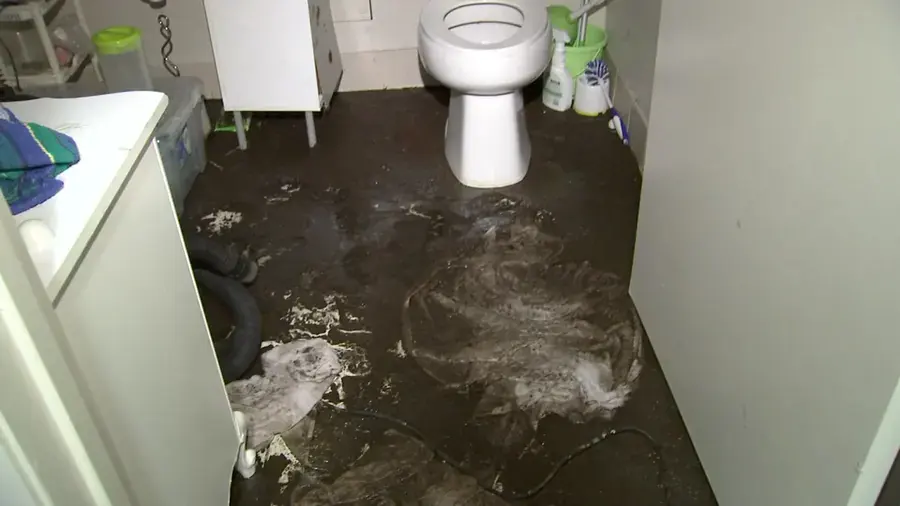
Sewage Backup Cleanup
Backed-up drains and overflowing toilets spread Category 3 water, so protective gear, containment, removal and disinfection come first.
Open the service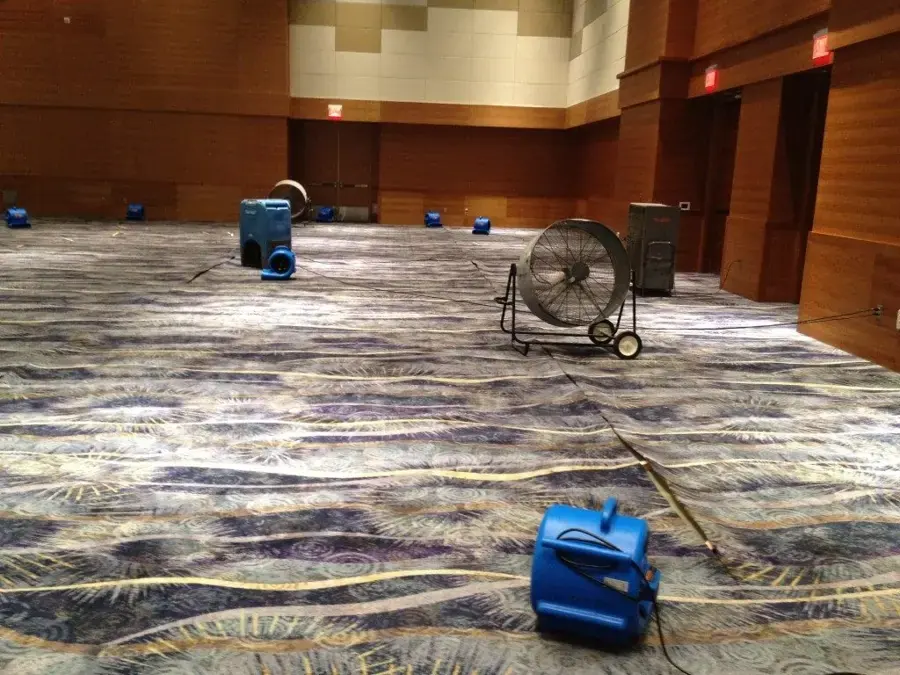
Commercial Water Damage
Shops, offices and warehouses get phased drying plans that keep tenants working, with ceilings, carpet tile and drywall handled by zone.
Open the serviceDrying gear matched to each job
- Truck-mounted extractors with weighted wands remove standing water before drying gear is set.
- Axial and centrifugal air movers push dry air across wet floors and wall bottoms.
- LGR and desiccant dehumidifiers pull moisture from the air so wet materials can release it.
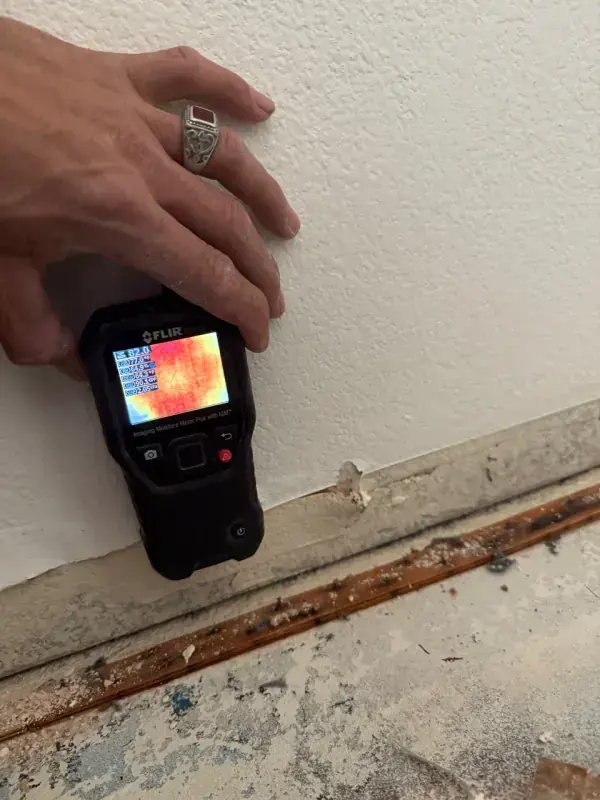
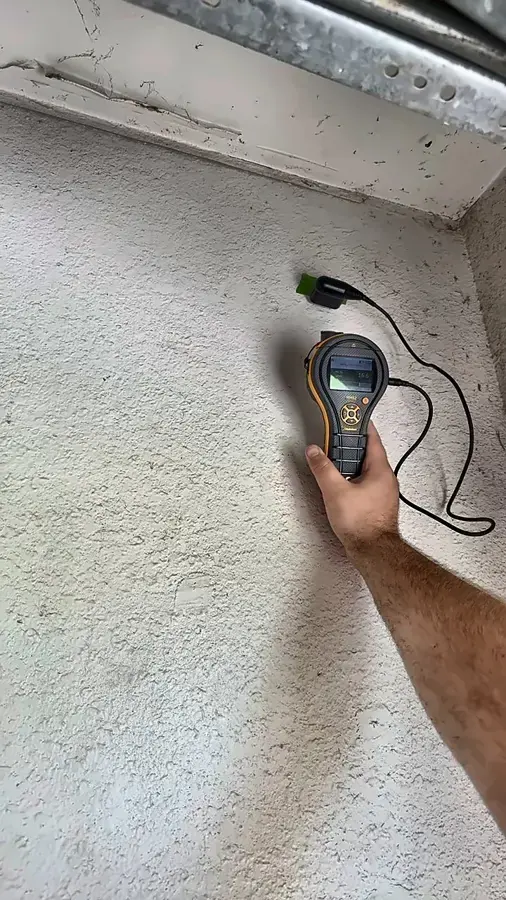
- Thermal cameras and moisture meters show where water hides behind walls and under floors.
Water keeps working until it is dried
Wet materials hold water, and mold can start in 24 to 48 hours.
Extraction begins, soaked pad comes out and drying gear is set in the wet rooms.
Wet surfaces start to sour and swell, so readings decide what else has to go.
Dehumidifiers keep running while readings fall to the dry standard, then the equipment goes.
How a dry-out moves from start to finish
Dispatch
Details of the source and the wet rooms shape the extraction and drying equipment loaded on the truck.
Inspect and map
Thermal imaging and moisture meters trace the water through walls, floors and ceilings into a written map.
Extract and contain
Standing water comes out first, damaged materials are removed, and poly barriers keep the wet zone separate.
Dry and monitor
Dehumidifiers and air movers work while temperature and humidity readings get logged on every visit.
Verify and document
Final readings are compared with the dry standard, the equipment is pulled, and the logs and photos are handed over.
Water still spreading? Describe it to a local crew.
Describe where the water started and what it touched, and the crew loads pumps and drying gear to match.
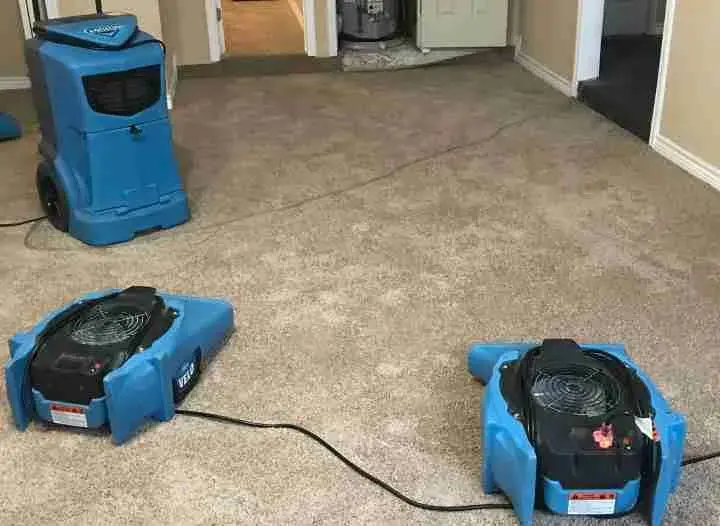
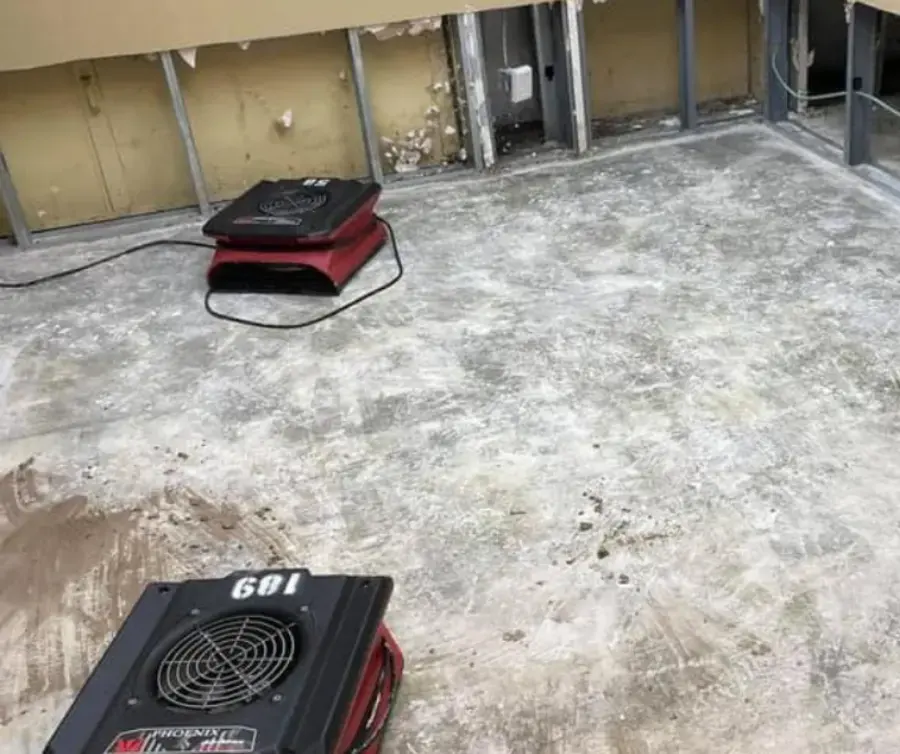
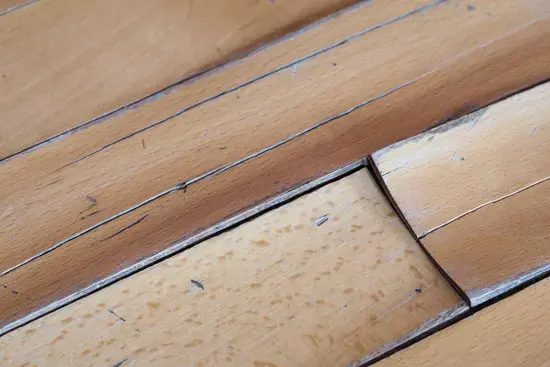
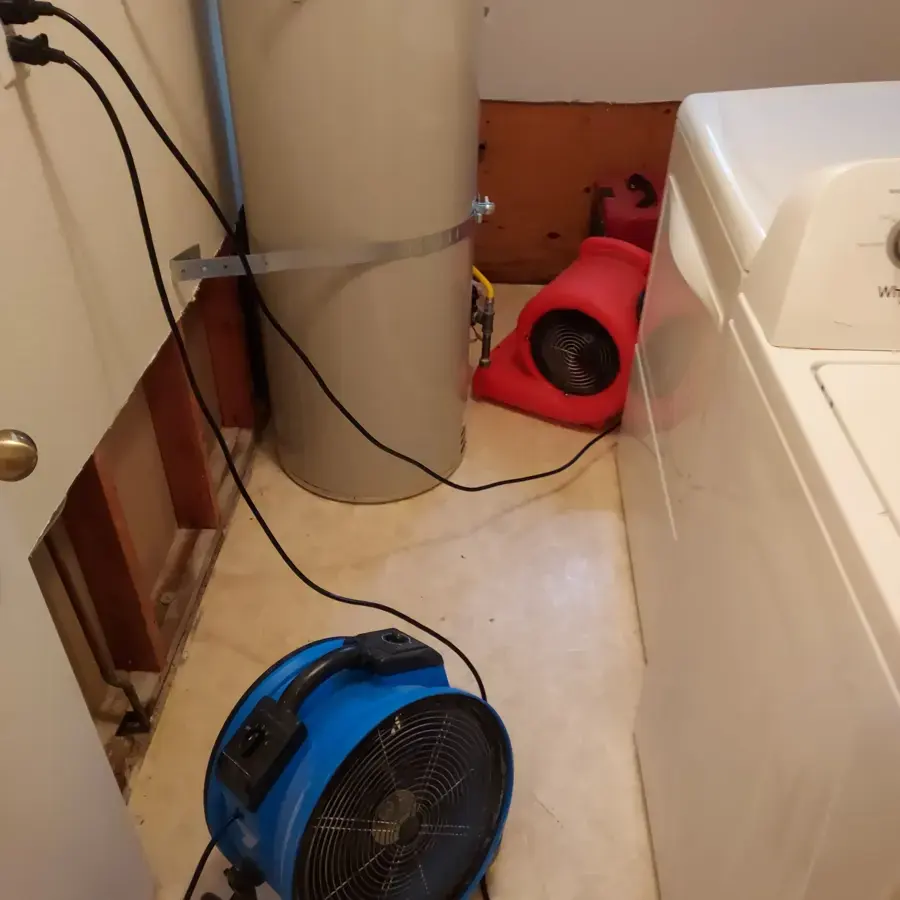
Drying setups used on local water damage jobs
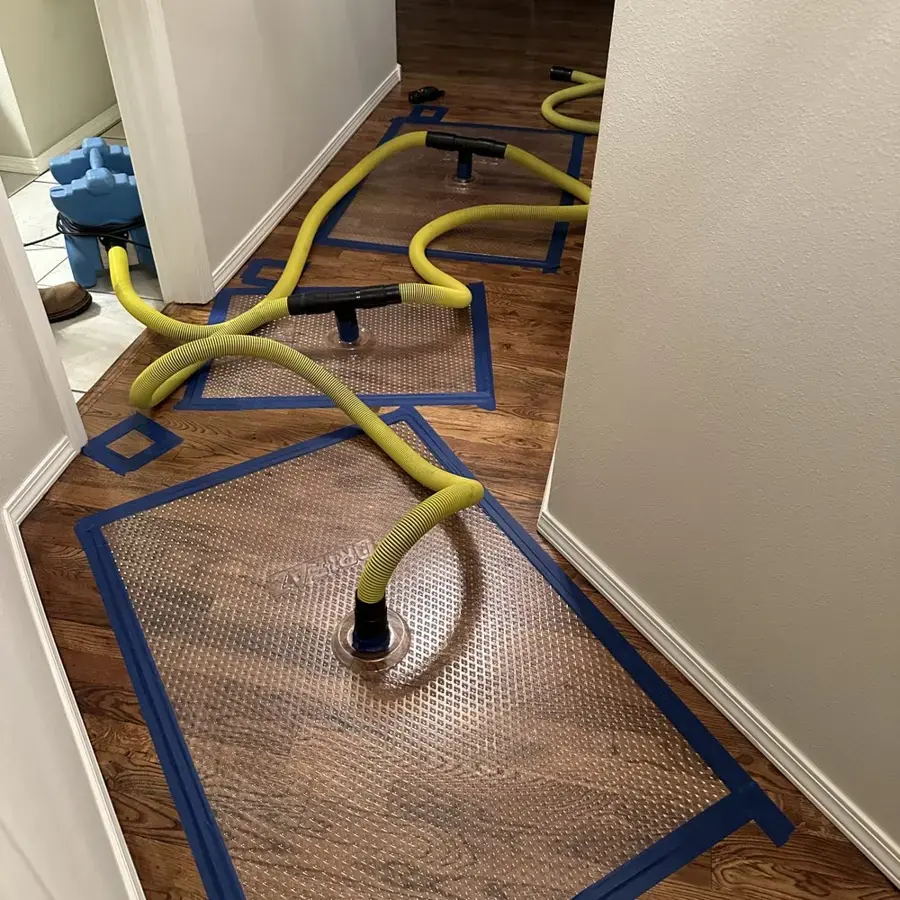
Examples of how air movers, mats and dehumidifiers are placed for carpet, hardwood, slab and opened wall jobs.
Why careful drying matters in town
Local response
Dispatch runs around the clock for every ZIP code in town, from downtown to the edges of the city.
Gear matched to the job
Mats, extractors and desiccant units are picked for the material that got wet, not pulled from one stock kit.
Documentation that holds up
Moisture maps, daily readings and dated photos show an adjuster what was wet, what was removed and when it dried.
Local building knowledge
From homes built in 1939 or earlier to ones built in 2020 or later, drying plans change with the building.
What to do while the crew loads the truck
- Shut off the water at the main or the appliance valve if it is safe to reach.
- Switch off power to wet rooms at the breaker, and stay out of standing water near outlets and cords.
- Photograph the damage and lift small items, rugs and electronics off wet floors before the extraction crew starts.
- Open cabinet doors and move furniture away from wet walls so air and equipment can reach the damage.
Where local water damage crews work
Crews work across all of Claremore, from the historic downtown and Will Rogers Boulevard to the outer neighborhoods.
Downtown and corridors
Neighborhoods
Highways and campuses
ZIP codes covered
Crews work all three ZIP codes, inside the city limits and in the Rogers County area around them. See all nearby service areas ›
What water damage cleanup costs in town
Cost depends on how much water, which category and how many rooms; small jobs often run $500 to $1,500 while whole floor or sewage jobs reach $7,500 and up.
Small
- One room affected
- Extraction and air movers
- Readings until it is dry
Mid-size
- Several rooms affected
- Wet drywall and pad removed
- Dehumidifiers and daily readings
Large
- A whole floor or sewage
- Category 3 removal and disinfection
- Extended structural drying
What an adjuster usually wants to see
Adjusters typically ask for the date of the loss, the source of the water, clear photos taken before cleanup and a record of every material removed from the home.
Moisture maps, daily readings and dated equipment logs let the drying team show how wet each room was, what came out, which equipment ran and when each room reached the dry standard.
Coverage, deductibles and payment decisions stay with the insurance company, and the cost calculator gives a ballpark to hold up against the scope an adjuster writes for the loss.
Three water categories change the whole plan
The category of water decides the gear, the protective equipment and how much material has to be removed.
Clean water
A supply leak starts out as Category 1, but carpet pad, drywall and time can turn clean water gray if it sits too long.
Water extraction ›Gray water
Washers, dishwashers and overflowing sinks release Category 2 water that carries contaminants and calls for removal of wet porous materials.
Appliance leak cleanup ›Black water
Sewage backups and creek flooding bring Category 3 water, so crews wear protective gear and remove soaked flooring and lower drywall.
Sewage backup cleanup ›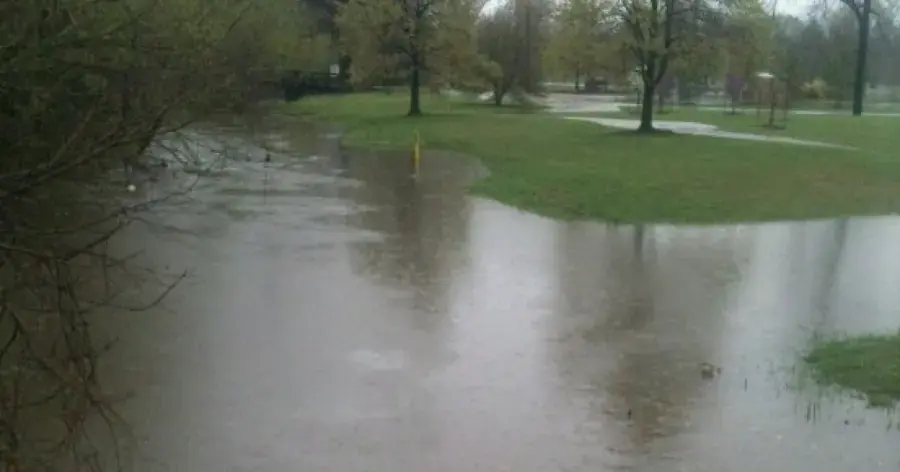
Where Claremore water problems start
The city sits near the Verdigris River in the foothills of the Ozark Mountains, with hills, valleys and two creeks around the old town, and its water problems come from several directions: creeks, storms, supply pipes and drains.
Cat Creek and Dog Creek
The creeks lie on either side of the old town, and on May 2, 1993, Cat Creek overflowed its banks and flooded apartments.
Flash flooding on roads
On April 14, 2011, thunderstorms dropped so much rain so fast that drivers traveled through water several inches deep.
The May 2024 tornado
The city counted approximately 800 damaged homes, and the National Weather Service survey found roofs partly removed just east of downtown.
Older homes and buildings
The survey counts 3,987 of 8,493 housing units as built before 1980, so many carry decades of wear on walls, roofs and fixtures.
Apartments and shared walls
With 1,204 housing units in buildings of five or more units, one leak can reach a neighbor's ceiling, wall or floor.
Water main breaks
A water main break at Lynn Riggs Boulevard and 6th Street closed all northbound lanes of U.S. 66 for an estimated three to four days in September 2026.
Claremore water damage questions answered
How much does water damage cleanup cost in Claremore?
Price follows the amount of water, the category and the number of rooms. A small leak can start near $500, while a whole floor, a flood or sewage can pass $7,500.
Do daily moisture logs and photos help an insurance claim?
They give an adjuster a dated record of what was wet and what was removed. Photos taken before anything is moved are the most useful. The insurance company, not the drying crew, decides what a policy covers.
How long does a flooded house take to dry?
Most rooms need several days of equipment, and flooded floors, hardwood and slabs run longer. Daily readings decide the finish, not a calendar: equipment stays until the materials reach the dry standard.
What changes when creek water floods a home?
Creek water counts as Category 3, so flood damage cleanup removes soaked carpet, pad and lower drywall, treats hard surfaces with antimicrobial and dries the structure only after the silt is gone.
What happens after a storm tears open a roof?
After the May 25, 2024 tornado, the city counted approximately 800 damaged homes. Rain through any torn roof soaks insulation, ceilings and walls, so the crew extracts water, removes ruined material and dries the rest while a roofer repairs the roof, and roof leak water damage work covers the ceilings below.
Can a sewage backup be cleaned without tearing out flooring?
Hard surfaces can be cleaned and disinfected, but in sewage backup cleanup the porous materials touched by Category 3 water, such as carpet, pad and lower drywall, are removed because they cannot be made safe.
Does an apartment leak mean damage in the next unit?
It can. Shared walls, ceilings and floors carry water between units, and 1,204 housing units in town sit in buildings of five or more units. The drying plan covers every wet unit once access is arranged.
Can frozen pipes burst during an Oklahoma cold snap?
Yes. Winter Storm Uri in February 2021 and the January 2026 storm both brought extreme cold to Oklahoma, and a pipe in an unheated wall, attic or garage can split when temperatures fall that low.
Which ZIP codes does the crew cover?
Work covers 74017, 74018 and 74019, from downtown streets and apartment buildings to houses on the outskirts and nearby Rogers County addresses, plus shops and offices.
How does the crew confirm that walls are dry?
A thermal camera and pin meters compare wet areas with an unaffected reference wall, and psychrometric readings track the air. Equipment stays until the readings match the dry standard.
Standing water or wet walls in Claremore? Call now.
The restoration team extracts the water, maps what is wet and builds a drying plan with readings logged until the structure reaches the dry standard.
(888) 619-9509Call a Claremore water damage crew