Water Damage Restoration Catoosa, OK
Burst pipes, creek floods and storm leaks all end the same way in Catoosa: wet floors and walls that need extraction, drying and clear records, handled by one crew from first call to final reading.
☎ Call (888) 619-9509Call the Catoosa drying team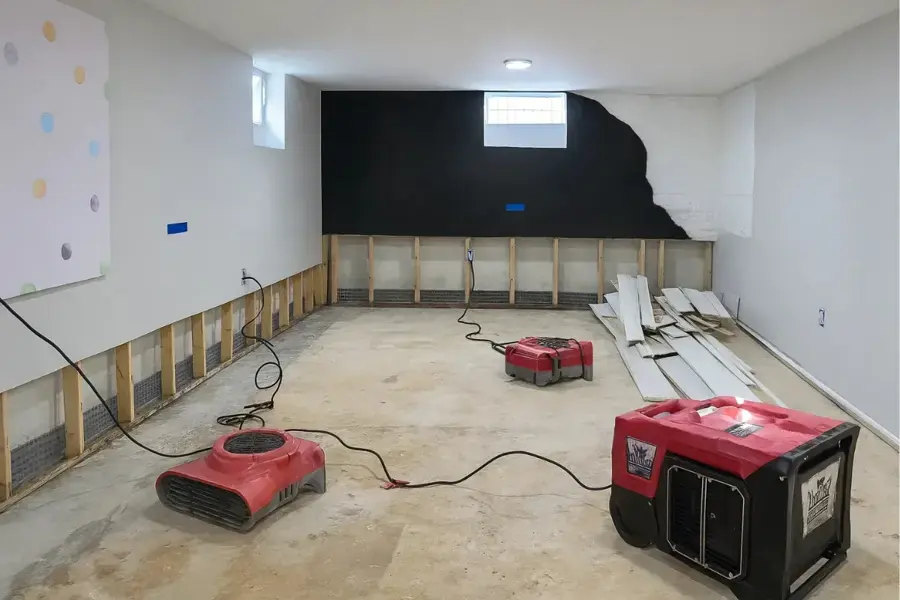
Water problems the Catoosa team handles
From a split washer hose to a creek flood, each job type below gets its own extraction method and drying plan here.
Emergency response
Floods, storms, burst pipes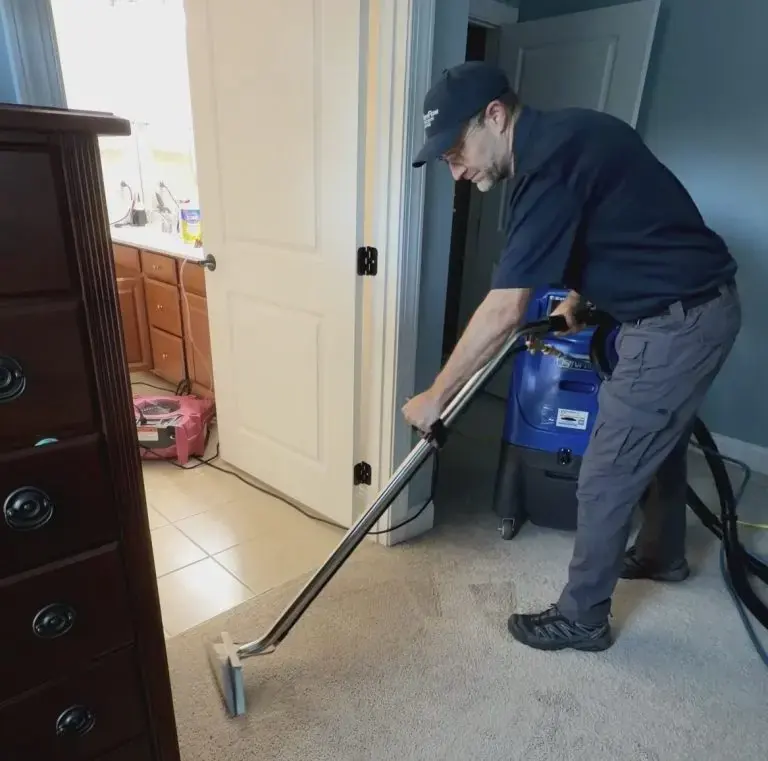
Water Extraction and Removal
Submersible pumps and truck-mount extractors pull standing water out of carpet, pad and hard floors before drying starts.
Open the service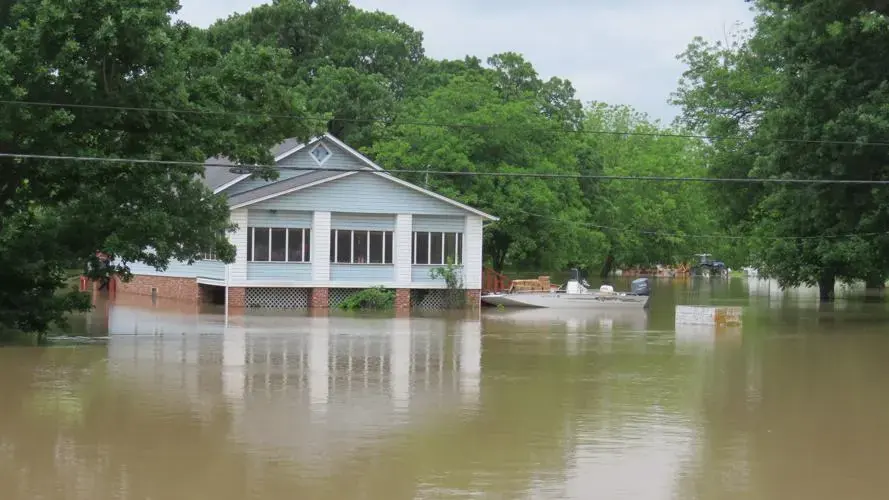
Flood Damage Cleanup
Creek and river flood water carries silt and bacteria, so muck-out, flood cuts and disinfecting follow Category 3 rules.
Open the service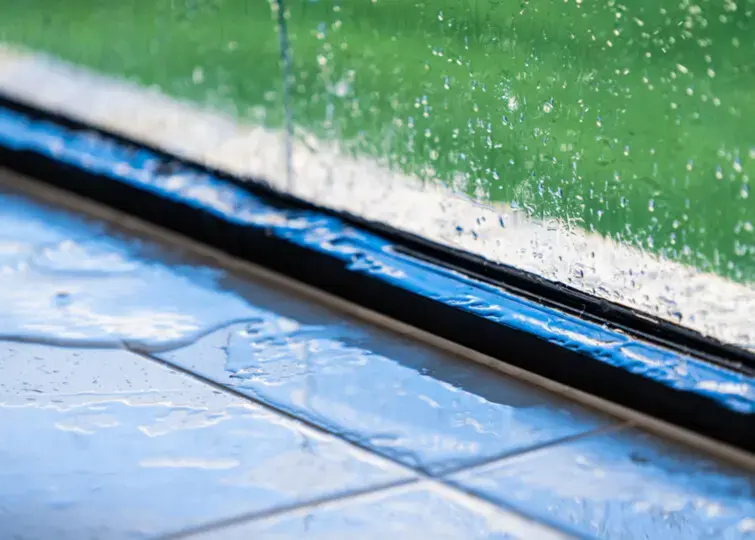
Storm Water Damage
Wind-driven rain through a damaged roof, window or wall soaks insulation and drywall, and the crew dries the cavities.
Open the serviceCatoosa homes
Houses, rentals, manufactured homes
Frozen Pipe Burst Cleanup
A freeze-split pipe can run unseen inside a wall or attic, so the cavity is opened, extracted and dried.
Open the service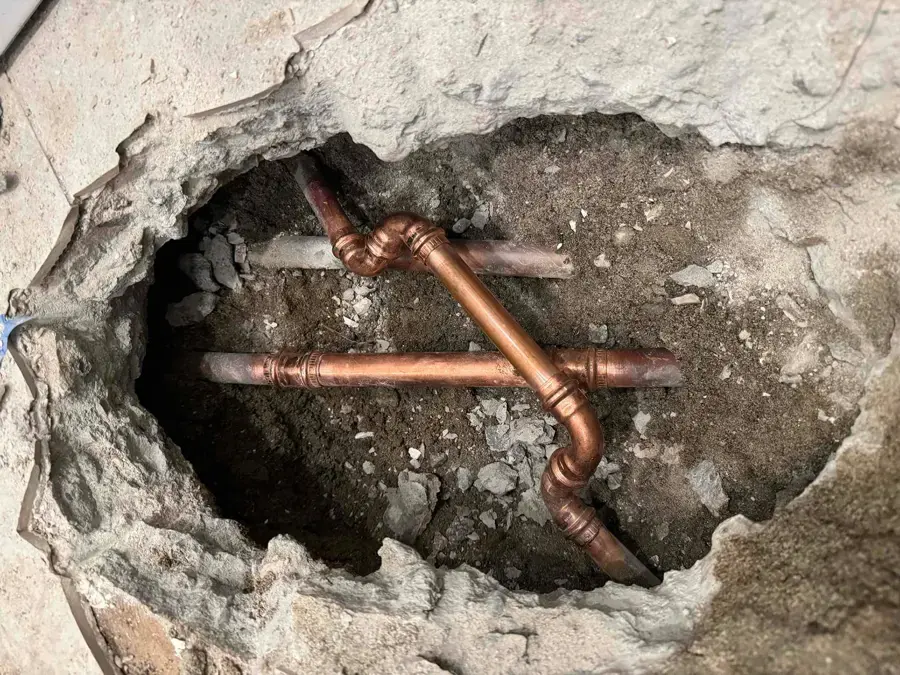
Slab Leak Water Damage
A leak under a concrete floor wets the slab, flooring and wall bottoms, so each layer is mapped and dried.
Open the service
Water Heater Leak Cleanup
A failing tank in a garage, closet or attic releases gallons at once, so floors and wall bottoms are extracted and dried.
Open the service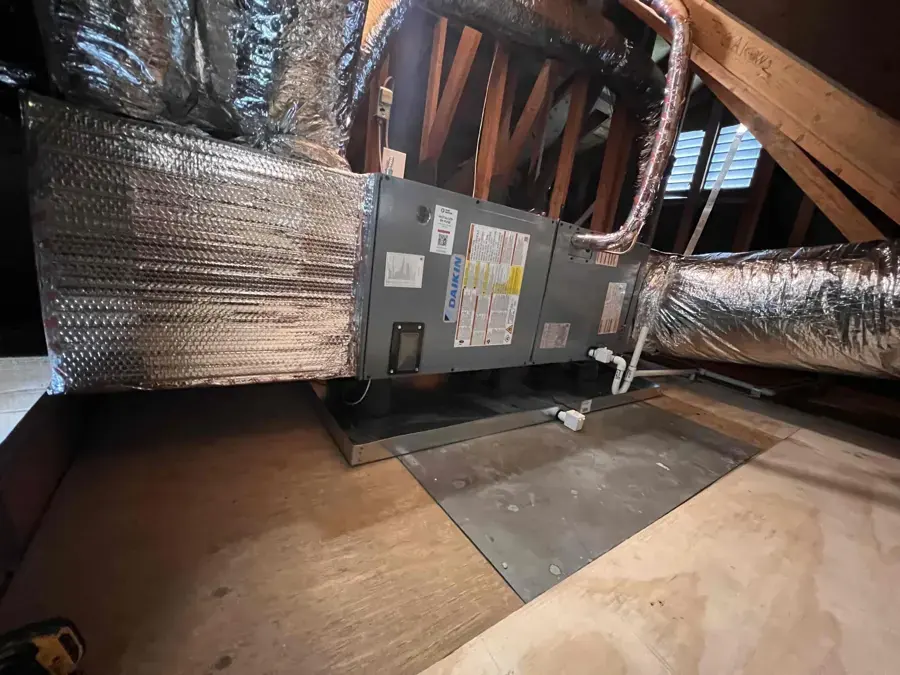
Attic AC and Condensate Leaks
A clogged condensate drain or cracked pan drips into insulation and stains the ceiling below, so both layers are dried or removed.
Open the service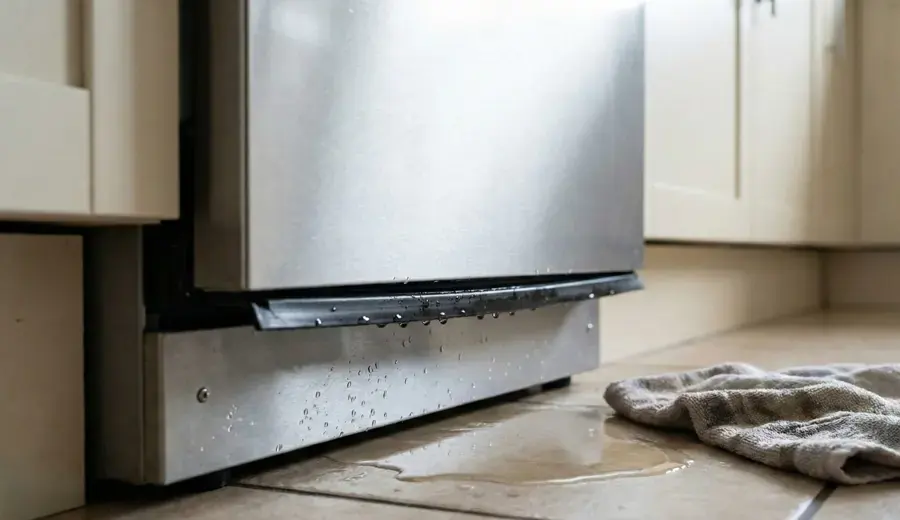
Appliance and Supply Line Leaks
Washers, dishwashers, ice makers and cracked supply hoses leak under cabinets and flooring, where damage can stay hidden for days.
Open the service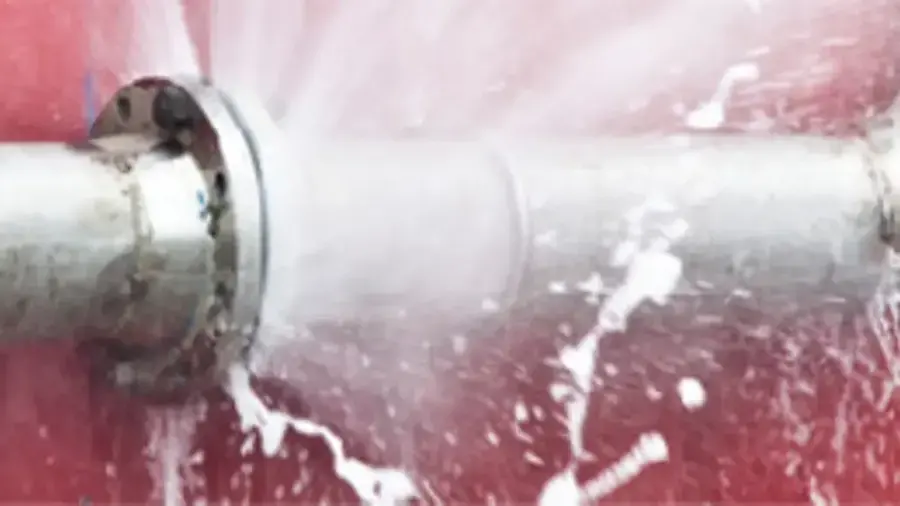
Burst Pipe Water Damage
A burst supply pipe can soak several rooms before the valve is found, so extraction and wall openings come first.
Open the serviceShops, offices and warehouses
Dried and documented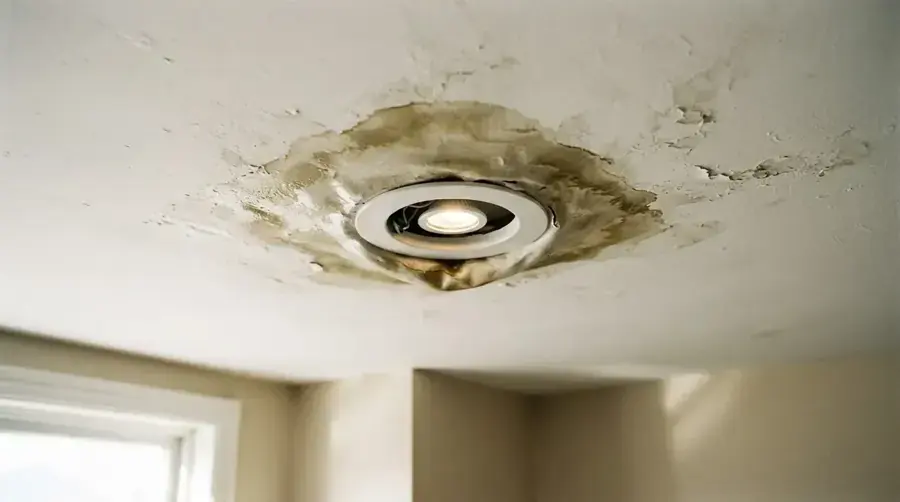
Ceiling Leak Water Damage
Stains, sagging drywall and drips point to a leak overhead, so the source is traced and the ceiling dried or replaced.
Open the service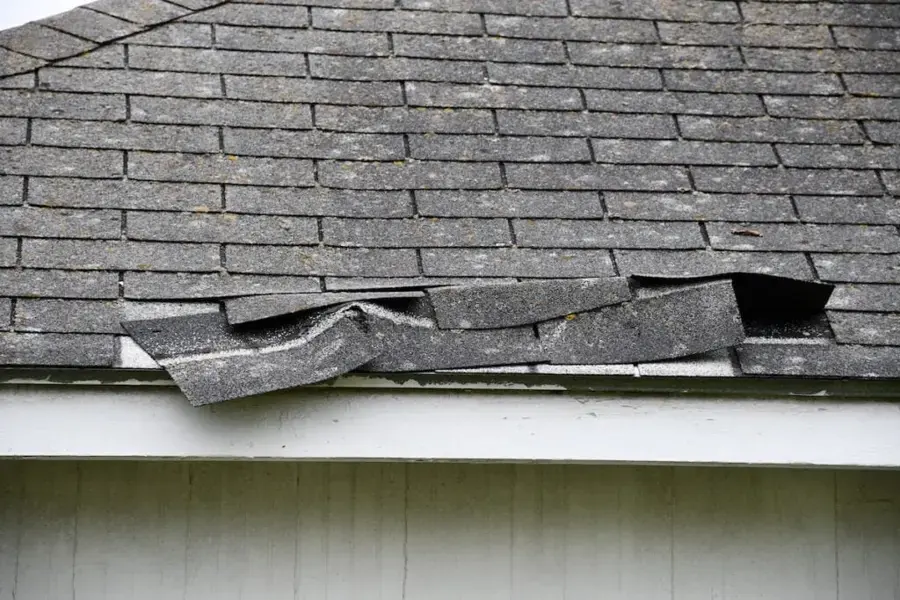
Roof Leak Water Damage
Rain past missing shingles or flashing soaks attic insulation and ceilings, and the wet layers are removed and dried.
Open the service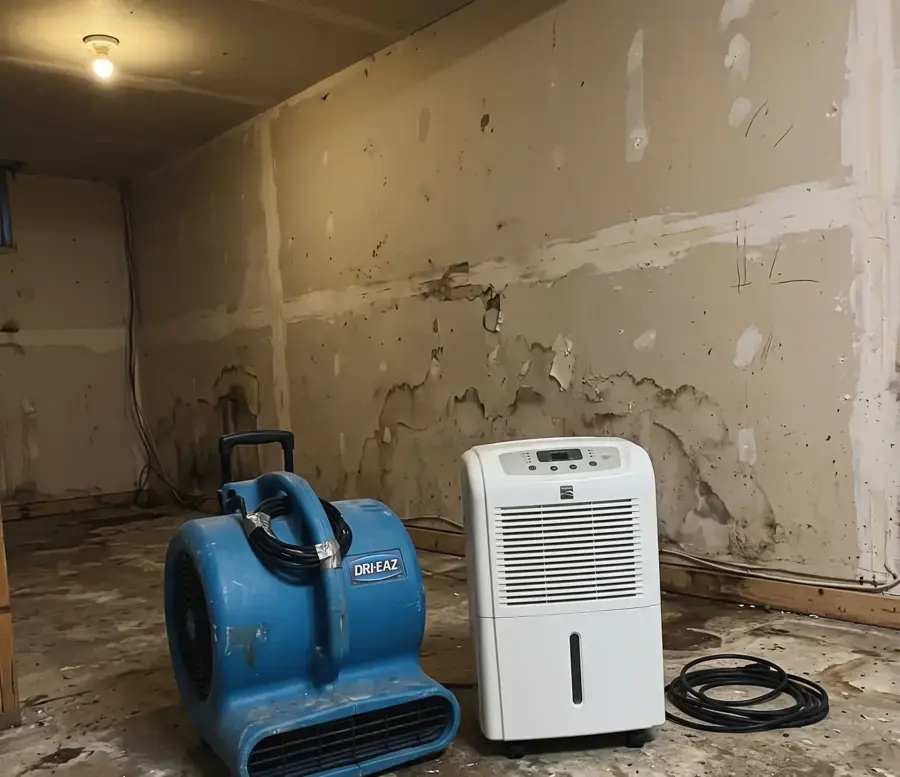
Structural Drying
Air movers, dehumidifiers and moisture meters dry framing, subfloors and slabs in stages, with readings logged until materials reach dry standard.
Open the service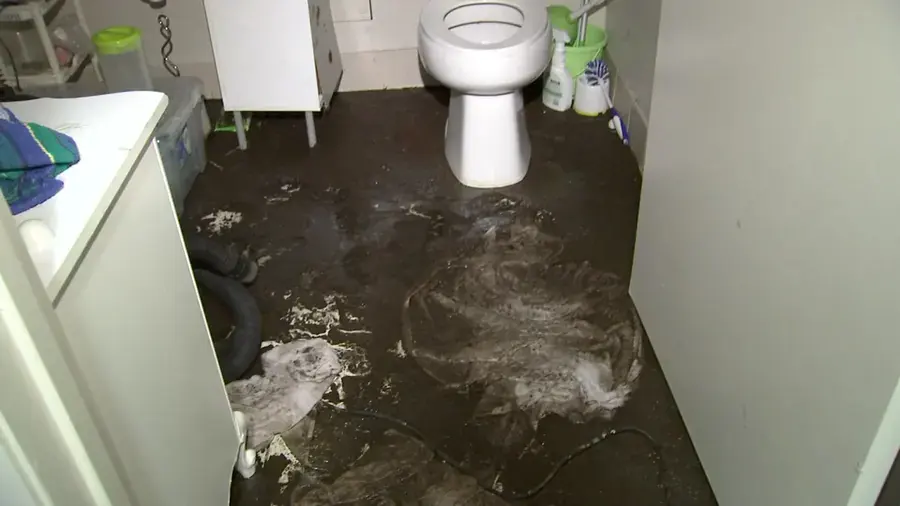
Sewage Backup Cleanup
A backed-up drain sends contaminated water across floors, so crews wear protective gear, remove porous materials and disinfect before drying.
Open the service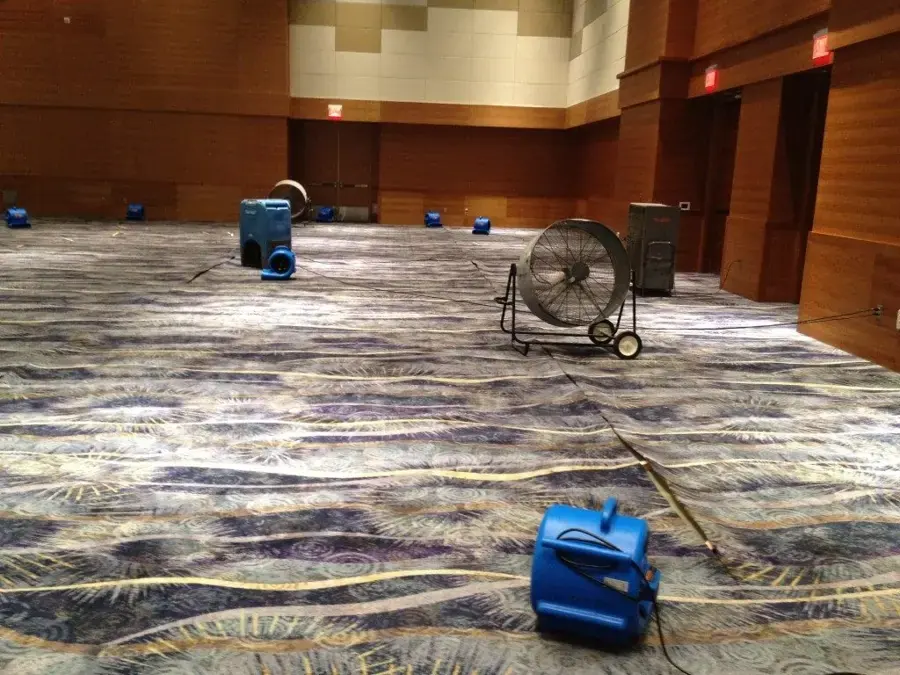
Commercial Water Damage
Shops, offices and warehouse space get phased drying and containment between zones so the business can keep operating.
Open the serviceDrying gear matched to each local job
- Truck-mount extractors and submersible pumps clear standing water from floors.
- Air movers sweep dry air across wet floors and walls to pull moisture out.
- LGR and desiccant dehumidifiers pull vapor from the air so wet framing keeps drying.
- Pin and pinless meters plus infrared imaging trace water behind paint and tile.
Wet materials change faster than most owners expect
Early choices on extraction and drying decide how much has to be torn out.
Pumps clear standing water, power is made safe, and wet pad and baseboards come out.
Mold can take hold and trim begins to swell, so drying equipment must be running.
Materials still wet by now often warp or stain, so replacement becomes more likely.
A drying plan built on readings, not guesswork
Dispatch
The response team loads extractors, air movers and meters and heads to either part of town.
Inspect and map
Meters and an infrared camera trace the water through floors and walls, and the affected rooms are drawn into a moisture map.
Extract and contain
Standing water is pumped out, wet pad is bagged, and plastic sheeting seals off the dry rooms.
Dry and monitor
Equipment is set from the moisture map, and a technician returns daily to log humidity and wood readings.
Verify and document
Final readings must match dry standard for each material, then photos and logs are compiled for the property owner.
Water still spreading? Talk to a local crew
Share the source of the leak and which rooms are wet so the right extraction and drying equipment is sent.
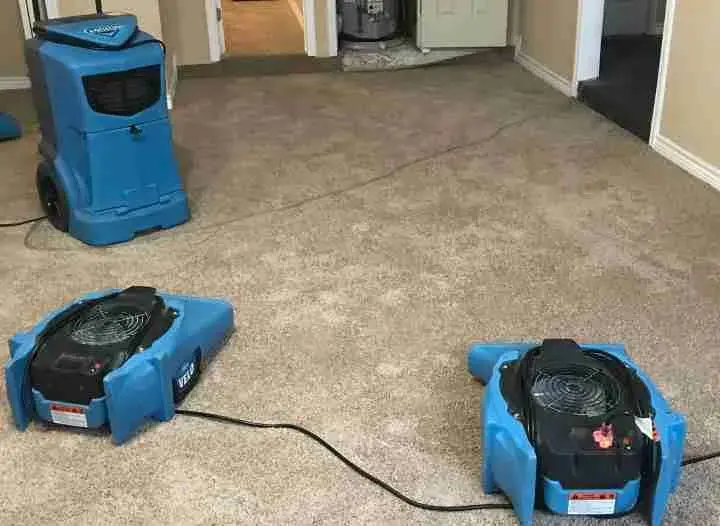
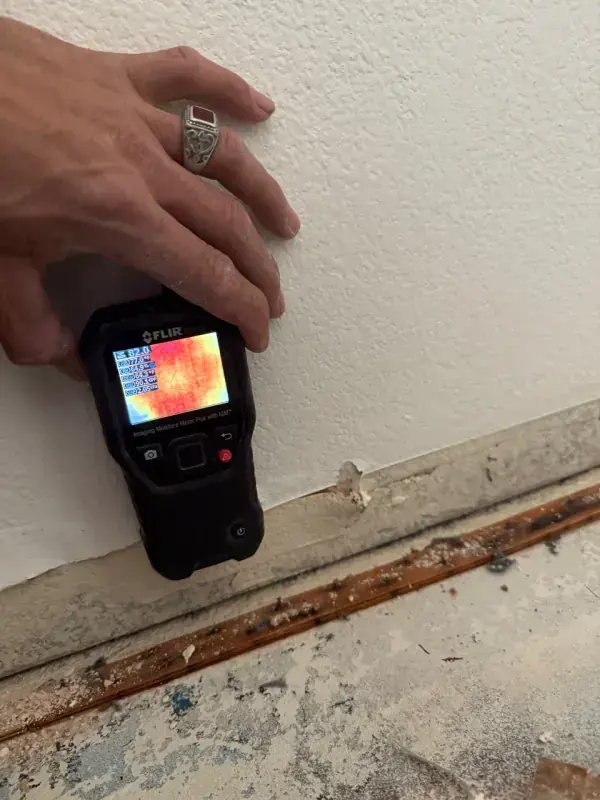
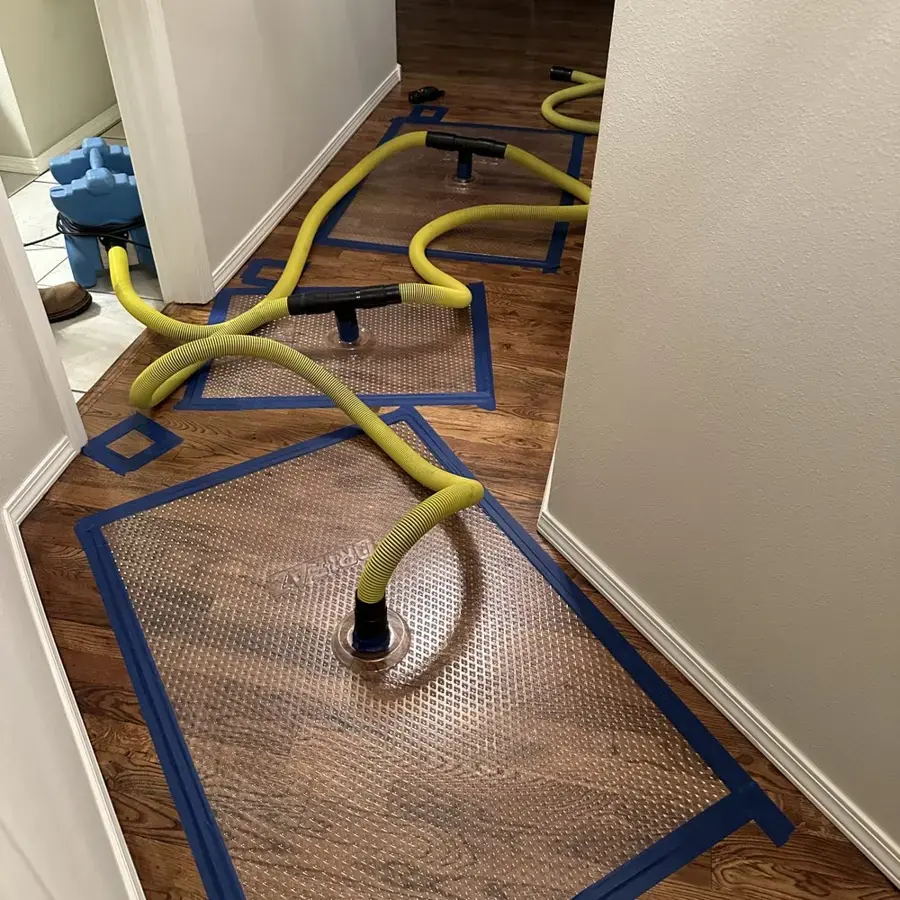
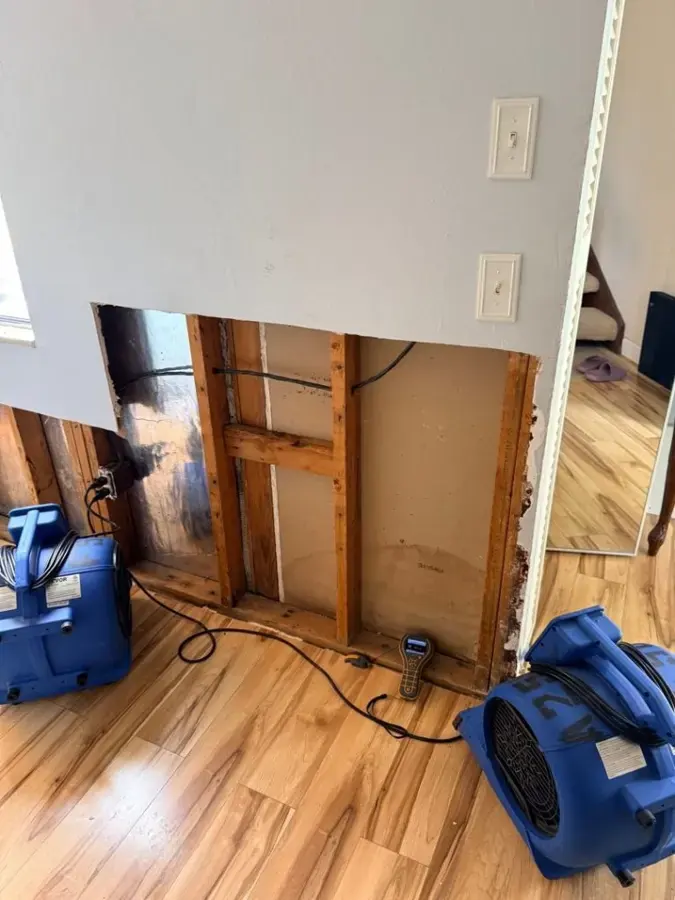
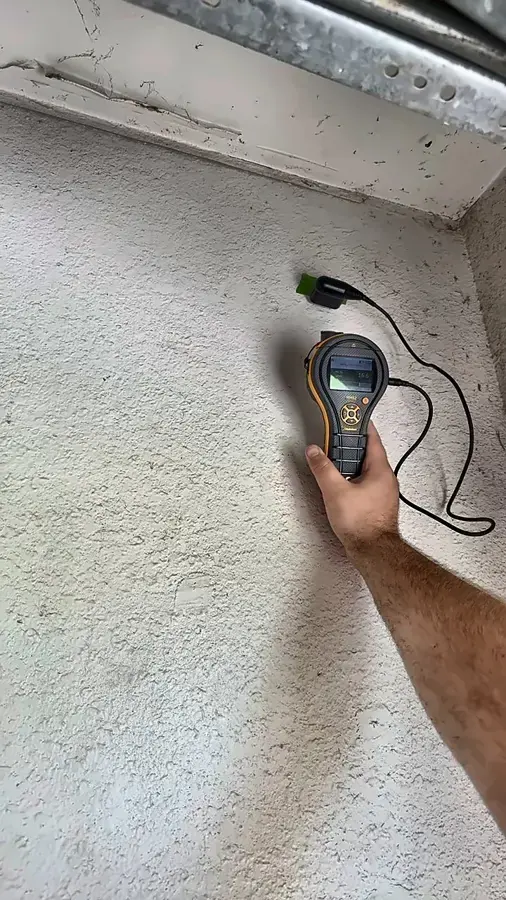
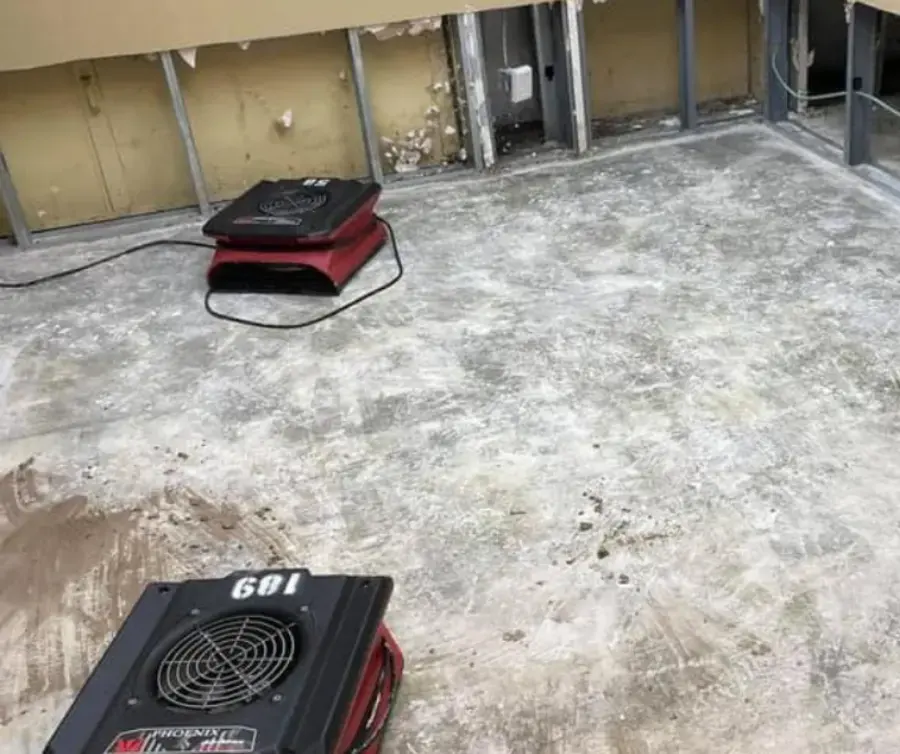
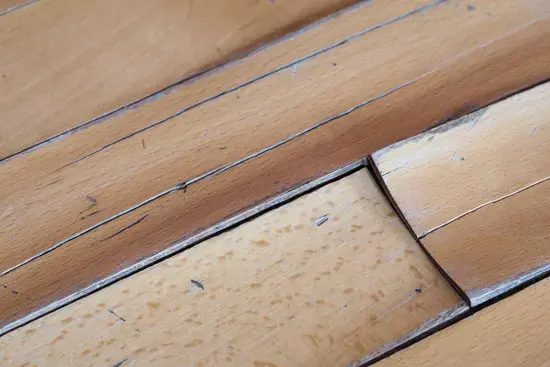
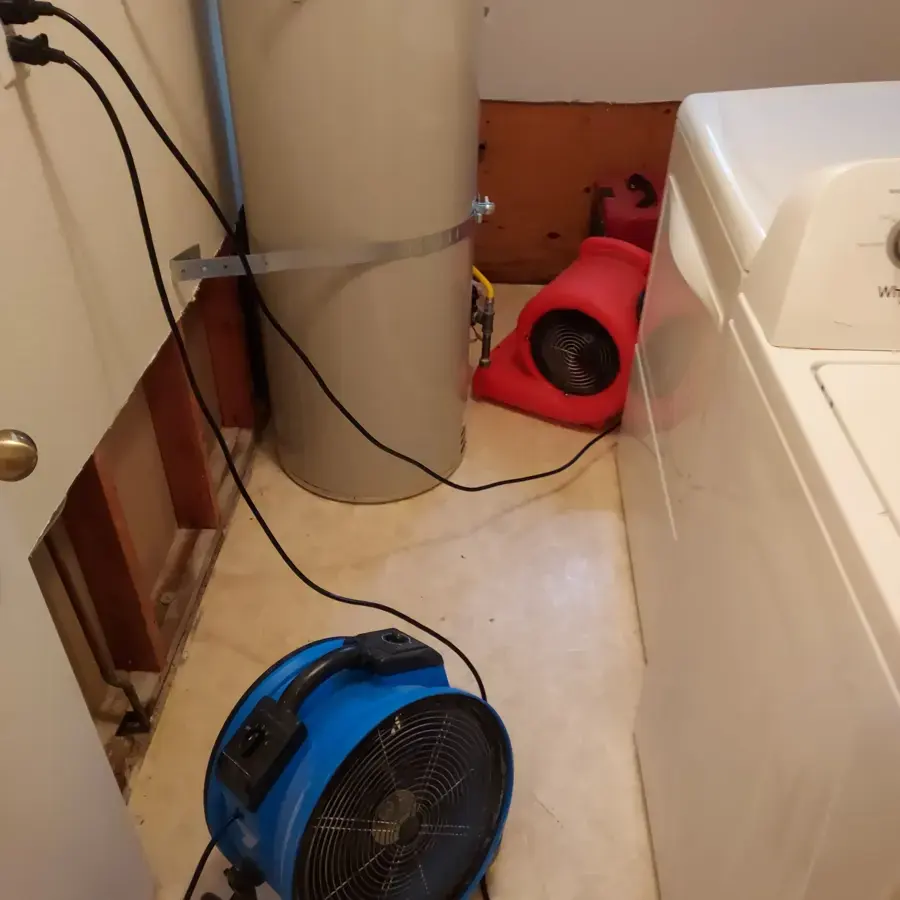
Equipment setups used on wet floors and walls
Typical drying setups, meters and wall openings used on water damage jobs of every size.
How the local crew works each job
Rapid local response
Dispatch runs day and night, and crews work both the Rogers County and Wagoner County sides of town.
Method matched to water
Supply leaks, washer discharge and creek water each need a different cleanup, so the crew sorts the water first.
Claim-ready documentation
Photos, moisture maps and daily readings are kept so an adjuster can follow what was wet and when.
Local water know-how
The crew plans around recorded local history, from Bird Creek floods to city pipe breaks and tornadoes.
Safe moves to make right after a leak
- Shut the water at the fixture valve or the main, and keep everyone out of rooms with wet outlets.
- Lift small items, furniture legs and rugs off wet floors, and photograph the damage before anything is moved or thrown away.
- Never run a household vacuum on standing water, and open windows only when the air outside is dry.
- Keep bills, photos and any plumber paperwork together so the drying records match the repair.
Where the team works across both counties
Crews cover the Rogers County and Wagoner County sides of Catoosa, from Route 66 and I-44 to its newer additions.
Roads and corridors
Subdivisions
Parks and landmarks
Schools and venues
Nearby towns
ZIP code covered
One ZIP code, 74015, covers the city and spans the Rogers County and Wagoner County parts of it. See the full service area ›
What water damage work usually costs here
A small room might run $500 to $1,500, several rooms $2,000 to $6,000, and a whole level or major loss $7,500 and up, set by water category and drying time.
Small
- One room with a clean supply leak
- Extraction and a few drying days
- Baseboards pulled where needed
Mid-size
- Two to four rooms or a ceiling and floor
- Wet drywall cut out
- LGR drying with daily readings
Large
- A whole floor or Category 3 flooding
- Contents moved out
- Structural drying throughout
Claim documentation and cost checks
Photos, moisture maps and daily drying logs show an adjuster what the water reached and how it was dried, so a claim conversation can stay specific from the first visit to the final reading.
Public records show flooding is part of the local story: OpenFEMA lists 13 claims in the National Flood Insurance Program for ZIP code 74015, with losses dated between 1984 and 2019. The figures are records of past claims, nothing more.
Anyone weighing a quote against a policy deductible can test the numbers in the water damage cost calculator before agreeing to any repair scope or schedule.
Three kinds of water, three kinds of cleanup
The source of the water decides the safety gear, the materials removed and how the drying is set up.
Clean water leaks
A failed supply hose or overflowing tub starts as clean water, and timely extraction keeps carpet, pad and cabinet bases from absorbing it.
Water extraction ›Gray water from appliances
Washer and dishwasher discharge carries soap and food residue, so wet flooring is removed or sanitized before the drying equipment goes in.
Appliance leak cleanup ›Black water from sewers
A sewage backup is Category 3 water, so porous materials come out, surfaces are disinfected and air filtration runs during the work.
Sewage backup cleanup ›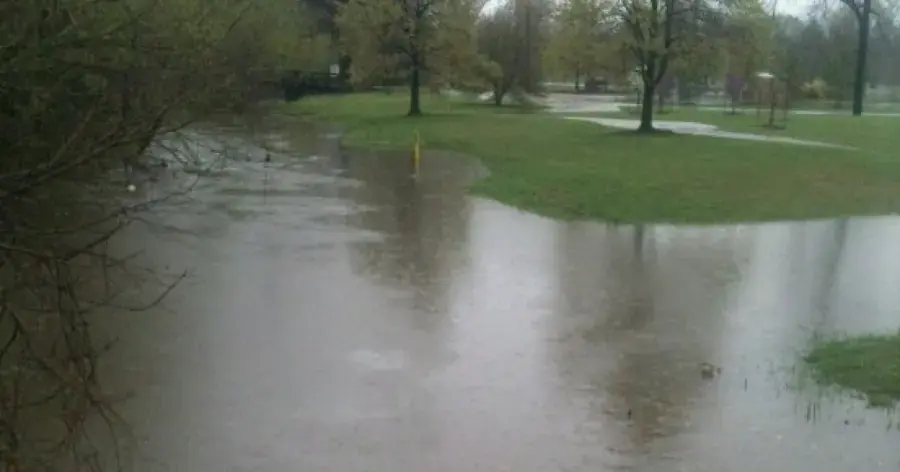
Local conditions that put water indoors
Catoosa has a recorded history of creek flooding, river-driven closures at the nearby port, tornado damage and city pipe breaks, and each one leaves a different pattern of wet materials inside a building, which changes how the drying is planned.
Bird Creek flooding
A Bird Creek rise, probably reinforced by Spunky Creek, flooded some 56 homes here during the Memorial Day flood of May 1984.
Port waterway closures
In May 2019, flood water kept the waterways along the Port of Catoosa shut for three weeks, per News On 6.
Tornado damage
Two tornadoes, an F4 and an F3, heavily damaged the city on April 24, 1993, and National Weather Service lists show later entries near town.
Soil that swells
NRCS puts most clay-rich soils here in the moderate shrink-swell class, and KTUL tied city pipe breaks to swelling ground.
Winter cold snaps
Tulsa area winter nights dip below 10 degrees Fahrenheit about three nights a year, and a FEMA winter storm declaration beginning February 8, 2021 covered Rogers County and Wagoner County.
Mixed housing stock
The American Community Survey estimates 368 mobile homes and 1,372 homes built before 1980, so water meets very different floors and framing.
Local water damage questions answered
What should happen first after water enters a home here?
Stop the source at the fixture valve or the main, keep power off in wet areas, and call for water extraction before any drying plan is built. Pumping first leaves less water for the dehumidifiers to fight.
What do the Bird Creek gauge stages mean for local homes?
On the National Weather Service Bird Creek near Owasso gauge, 29 feet means many homes between north Tulsa and Catoosa are severely flooded, with impacts nearing May 2019. That is Category 3 water, the focus of flood damage cleanup.
Is creek flood water handled differently from a pipe leak?
Yes. Creek water carries silt, sewage and bacteria, so porous materials come out, surfaces are disinfected and crews wear protective gear. A supply pipe leak starts clean and often allows more drying in place.
How long does drying take after the water is pumped out?
It depends on the materials. Carpet and drywall can finish in several days, while hardwood, subfloors and slab edges may need longer, and the daily readings decide when the equipment leaves.
Can wet carpet and pad be saved?
Carpet hit by a clean supply leak can sometimes stay and dry where it lies, though the pad usually goes because it holds water like a sponge. Gray or black water means both carpet and pad are removed.
Do manufactured homes dry differently from houses?
Floors in manufactured homes sit close to the underfloor framing, so water reaches insulation and structure sooner. The American Community Survey estimates 368 mobile homes in the city, which makes underfloor insulation checks a routine part of the work.
Why do storm leaks need a closer look?
National Weather Service tornado lists have entries near town in 1967, 1979, 1986, 1991, 1993, 2010, 2019 and 2021. Rain forced past damaged roofing soaks insulation and walls well away from the visible hole, as covered under storm water damage.
What records come with a finished drying job?
Moisture maps, photographs, daily readings and equipment logs go with each job, so an adjuster can see what got wet, what was removed and when each material reached dry standard.
Does the cost change if a sewer backs up?
Sewage jobs cost more because of protective gear, disposal of porous materials, disinfecting and air filtration. A one-bathroom backup commonly runs $1,000 to $3,000, while a whole floor is a very different scope.
Which parts of the city does the team cover?
Both the Rogers County and Wagoner County sides of the city, all within ZIP code 74015, including downtown, the Route 66 and Interstate 44 corridors, and additions like The Vale at Redbud.
Start drying before the damage spreads further
Share where the water started and which rooms are wet, and the extraction and drying plan takes shape from there.
(888) 619-9509Call for a drying plan