Structural Drying in Claremore, OK
After the water is out, the structure still holds moisture, so the drying team places air movers and dehumidifiers, reads framing, subfloor and slab daily and pulls the equipment only when readings say dry.
☎ Call (888) 619-9509Claremore drying help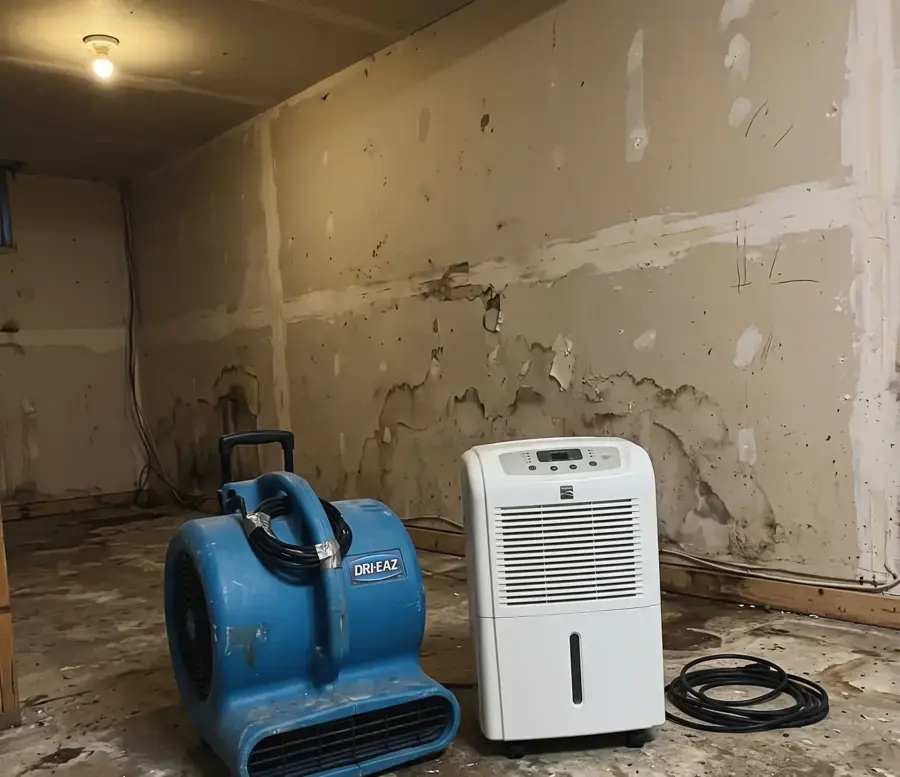
First steps for structural drying in Claremore
- Clear the floor. Pick up rugs, boxes and toys so air movers can sit where the readings call for them.
- Leave equipment running. Keep air movers and dehumidifiers on and the doors to wet rooms closed, since stopping early leaves moisture in the framing.
- Keep the heat steady. Hold the thermostat steady, because warm air carries moisture away better than cold air.
- Skip the shortcuts. Wait for the crew's final readings before closing walls or laying new flooring.
Structural drying is the part of water damage work that takes place after the visible water is gone. Wet framing, subfloors, concrete and cabinet bases release moisture slowly, so the drying team controls the air and the temperature until each material reads like its dry neighbor.
What does structural drying cost in Claremore, OK?
One room often costs $700 to $1,800 to dry, several rooms run $1,800 to $4,500, and a whole floor or Class 4 job reaches $10,000.
One room
- Air movers plus a dehumidifier
- Readings on each visit
- Dry standard confirmed
Several rooms
- Zones sealed off
- LGR dehumidifiers
- Humidity and temperature logs
Whole floor or Class 4
- Desiccant units running
- Hardwood and slab drying
- Longer monitoring
Ranges are typical, not a quote: the water category, the square footage, the material class and how fast drying started move the number most. The water damage cost calculator gives a closer range.
How structural drying is handled in Claremore
Read the building
The crew logs temperature, humidity and moisture in each wet material and picks a drying class.
Seal and set
Containment goes up where needed, and air movers and dehumidifiers are placed from the readings.
Monitor and adjust
On every visit, readings are logged and equipment is moved toward the slowest materials.
Confirm and remove
Wet materials are compared with dry references, and the equipment leaves when they match.
Every Claremore building dries differently
The housing mix runs from 456 homes built in 1939 or earlier to 2,340 built in 2000 or later, and the city said approximately 800 homes were damaged in the May 2024 storm. Plaster, solid lumber, engineered flooring and concrete each hold and release water differently, so the plan is built for the building, not copied from the last job.
- Containment to keep wet air from reaching dry rooms
- LGR dehumidifiers that pull water vapor out of the air
- Desiccant units for cold, slab-heavy or hardwood jobs
- Air movers aimed along floors and low in the walls
Walls or floors still damp? Call so the drying team can plan equipment around what the readings show.
☎ Call (888) 619-9509Call Rogers County about dryingReadings decide when drying ends
On each visit the crew records temperature, relative humidity and moisture content in framing, drywall and flooring, then moves equipment toward the spots that lag. No calendar sets the end date: drying stops when wet materials match unaffected reference materials, and the logs show it. Standing water is handled first through water extraction and removal, and creek water follows flood damage cleanup.
No fixed day count
Drying time varies with the materials, the water category and the weather, so the readings, not a set number of days, decide when the equipment leaves.
Structural Drying across Claremore and nearby towns
Crews cover Claremore and the surrounding towns around the clock for structural drying.
Structural drying crews work ZIP codes 74017, 74018 and 74019, from the Downtown Claremore Historic District to Westwood Manor and South Side Addition, and to the apartments and shops along Will Rogers Boulevard.
The same service nearby: structural drying in Owasso, Catoosa, Collinsville.
Water damage restoration in Claremore ›Related water damage services in Claremore
Structural Drying questions in Claremore, OK
What do air movers and dehumidifiers each do?
Air movers push dry air across wet surfaces so water leaves them, and dehumidifiers pull that water out of the air so it cannot settle somewhere else.
What is the difference between LGR and desiccant units?
LGR units work best in warm rooms, while desiccant units keep pulling moisture in cooler spaces and from dense materials like hardwood and slabs.
Why are readings taken every day?
Daily temperature, humidity and moisture readings show which materials are lagging, so equipment can be moved and the dry standard confirmed with numbers.
Can drying be rushed?
Pulling equipment early leaves moisture inside framing and subfloors, and that moisture can show up later as warping, stains or mold.
Does the building age change the plan?
Yes. The city has 456 homes built in 1939 or earlier and 2,340 built in 2000 or later, and materials from different eras hold and release water differently.
Why do the machines run constantly?
Dehumidifiers and air movers run continuously and give off warmth, which helps the drying, and they shut off when the readings reach the dry standard.
A dry structure is proven by readings, not guesses
The drying team places the equipment, logs temperature, humidity and moisture daily and pulls the gear only when materials read dry.
(888) 619-9509Call a Claremore drying crew